
World Cuisine Guides
Decode any menu abroad. Must-try dishes, menu vocabulary, dietary restriction tips, and ordering etiquette for cuisines around the world.
Mediterranean & Southern Europe

Croatian Cuisine
Croatia
Croatian cuisine bridges the Mediterranean and Central Europe, with seafood along the Dalmatian coast and heartier fare in the interior. Fresh Adriatic fish, olive oil, local wines, and simple preparations reward those who look beyond the tourist waterfront.

French Cuisine
France
French cuisine has shaped the way the entire world cooks and eats. From flaky croissants at a Parisian cafe to bouillabaisse on the Marseille waterfront, French food rewards both the big splurge and the casual bistro meal.
Greek Cuisine
Greece
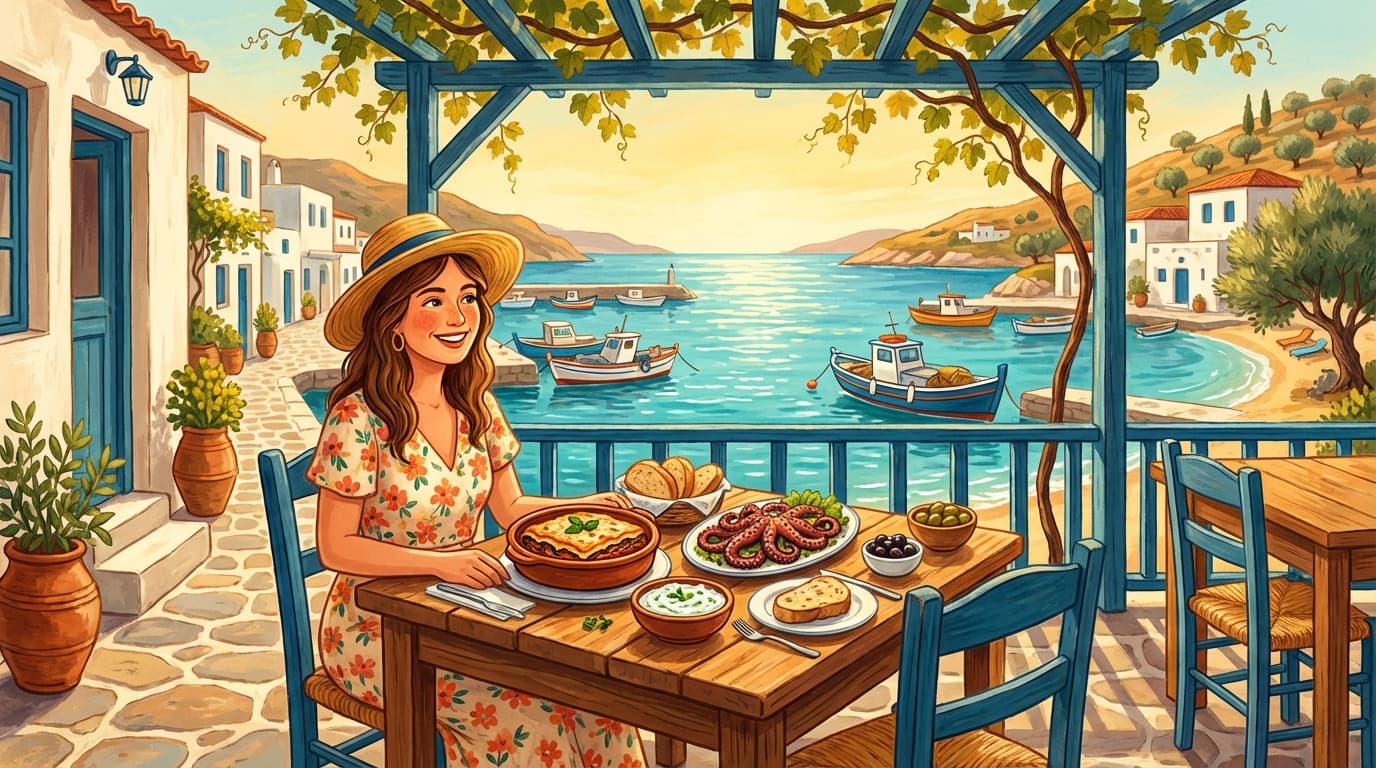
Greek food is honest, generous, and built on extraordinary ingredients — olive oil that tastes like liquid gold, tomatoes that actually taste like tomatoes, and feta that bears no resemblance to the rubbery stuff back home. Meals are shared, portions are huge, and the philosophy is simple: the best ingredients need the least fuss.

Italian Cuisine
Italy
Italian cuisine is far more regional than most travellers expect. What you eat in Sicily bears little resemblance to a plate in Milan. Every region has its own pasta shapes, sauces, and specialities — and Italians take these distinctions seriously. Understanding even a few basics will transform your meals from tourist-trap spaghetti into the kind of food memories you talk about for years.
Lebanese Cuisine
Lebanon
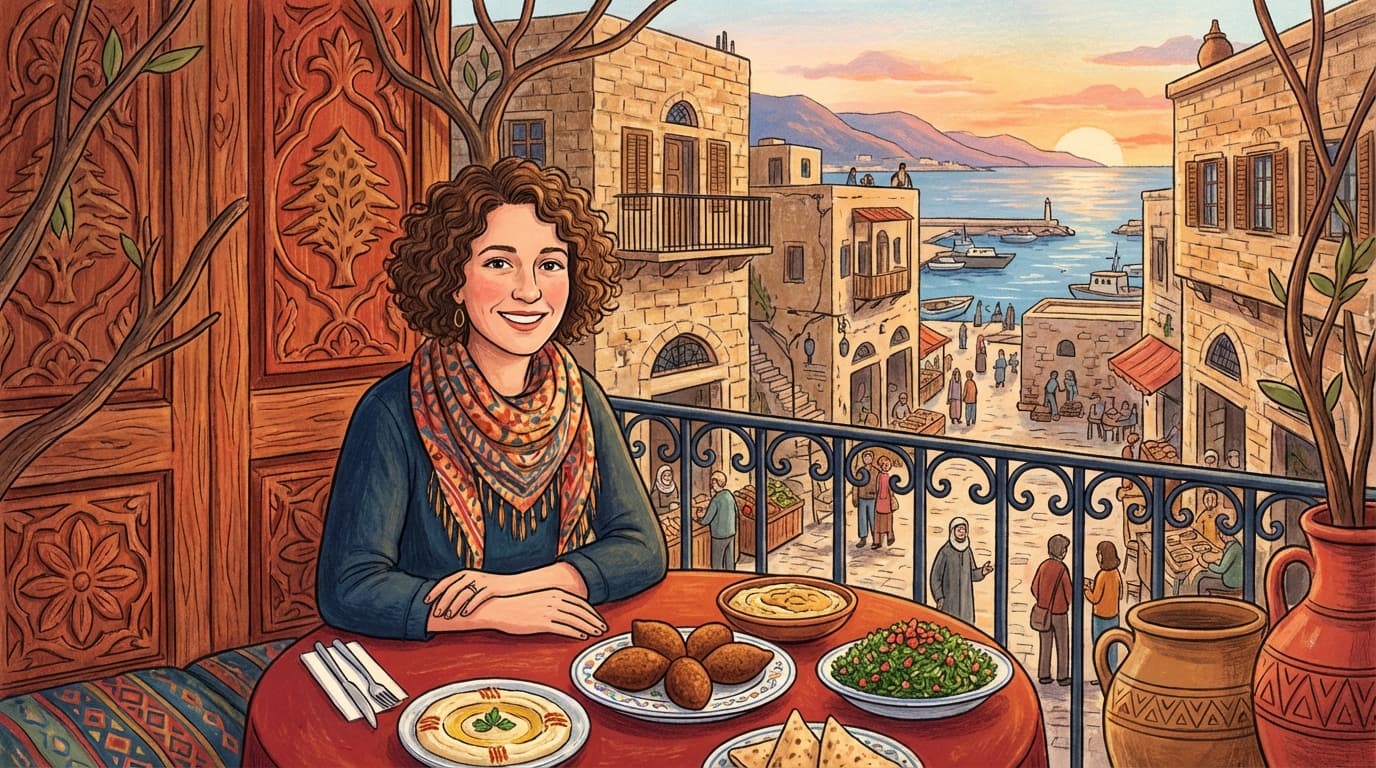
Lebanese cuisine is arguably the finest in the Middle East — a vibrant mezze culture built on fresh herbs, olive oil, lemon, and garlic. The sheer variety of small plates and emphasis on vegetables make Lebanese food one of the world's most enjoyable dining experiences.

Maltese Cuisine
Malta
Maltese cuisine blends Sicilian, North African, and British influences shaped by centuries of occupation. Rabbit is the national dish, pastizzi are the national obsession, and the fresh fish is as good as anywhere in the Mediterranean.
Moroccan Cuisine
Morocco
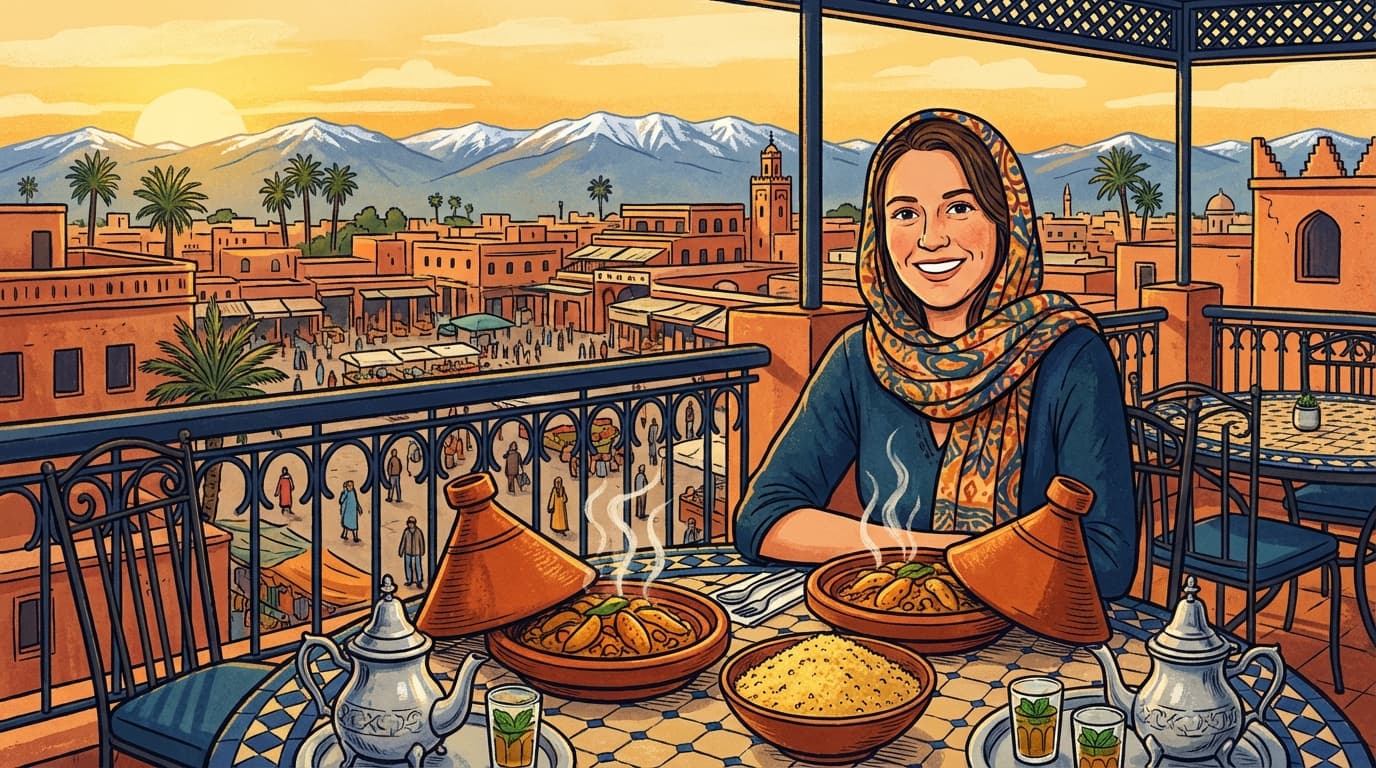
Moroccan cuisine is a sensory masterpiece — fragrant spices, slow-cooked tagines, fluffy couscous, and sweet mint tea. The medina food stalls, riads with home-cooked dinners, and humble street vendors offer extraordinary meals at every price point.
Portuguese Cuisine
Portugal
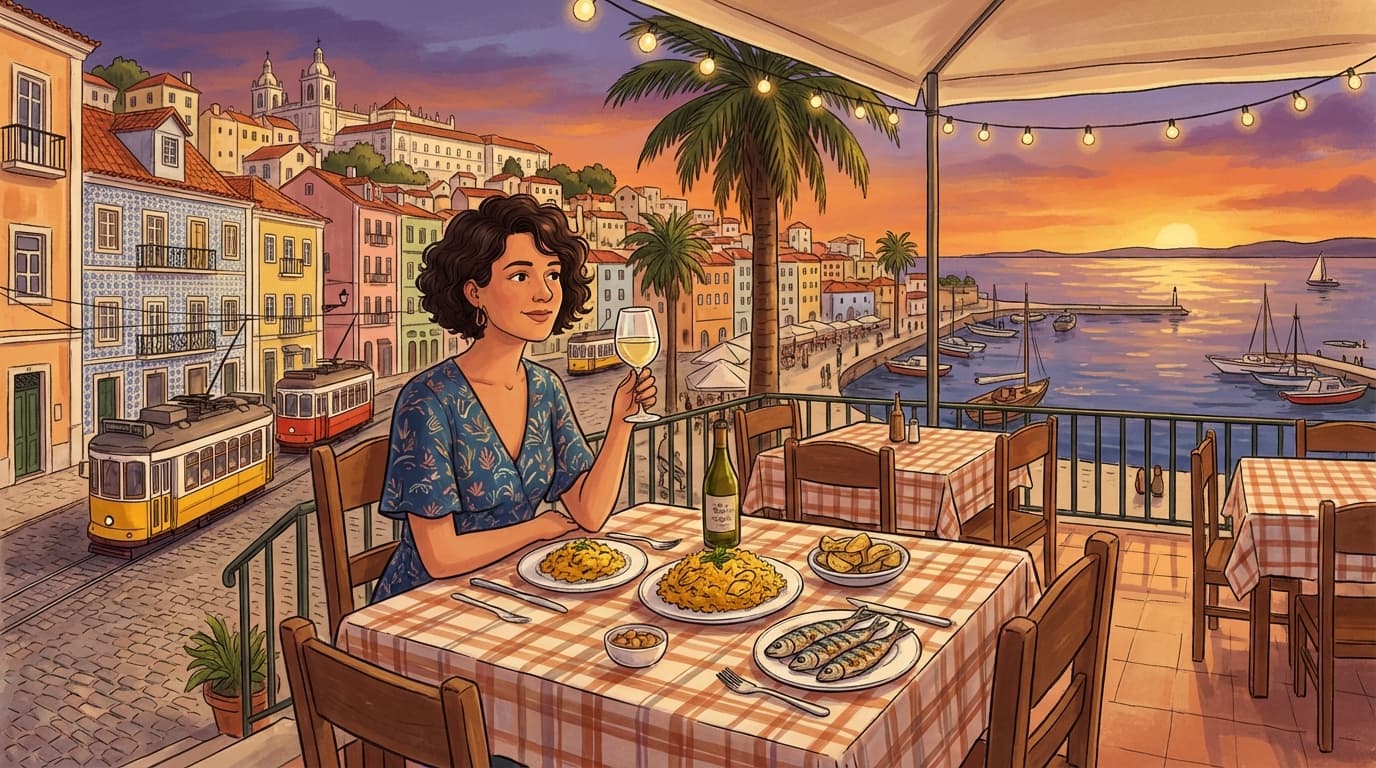
Portuguese cuisine is one of Europe's most underrated — hearty, seafood-driven, and astonishingly good value. From bacalhau prepared 365 ways to the iconic pastel de nata, Portugal rewards adventurous eaters with big flavours and small bills.

Spanish Cuisine
Spain
Spanish cuisine is built around tapas culture — eating small plates, standing at bars, moving between venues, and making food a social event. From pintxos in the Basque Country to gazpacho in Andalusia, every region has its own identity.

Turkish Cuisine
Turkey
Turkish cuisine sits at the crossroads of Europe and Asia, blending Central Asian, Middle Eastern, and Mediterranean traditions. From sizzling kebabs to syrupy baklava, the food is generous, flavourful, and astonishingly varied.
African Cuisine
East African Cuisine
Kenya, Tanzania, Ethiopia
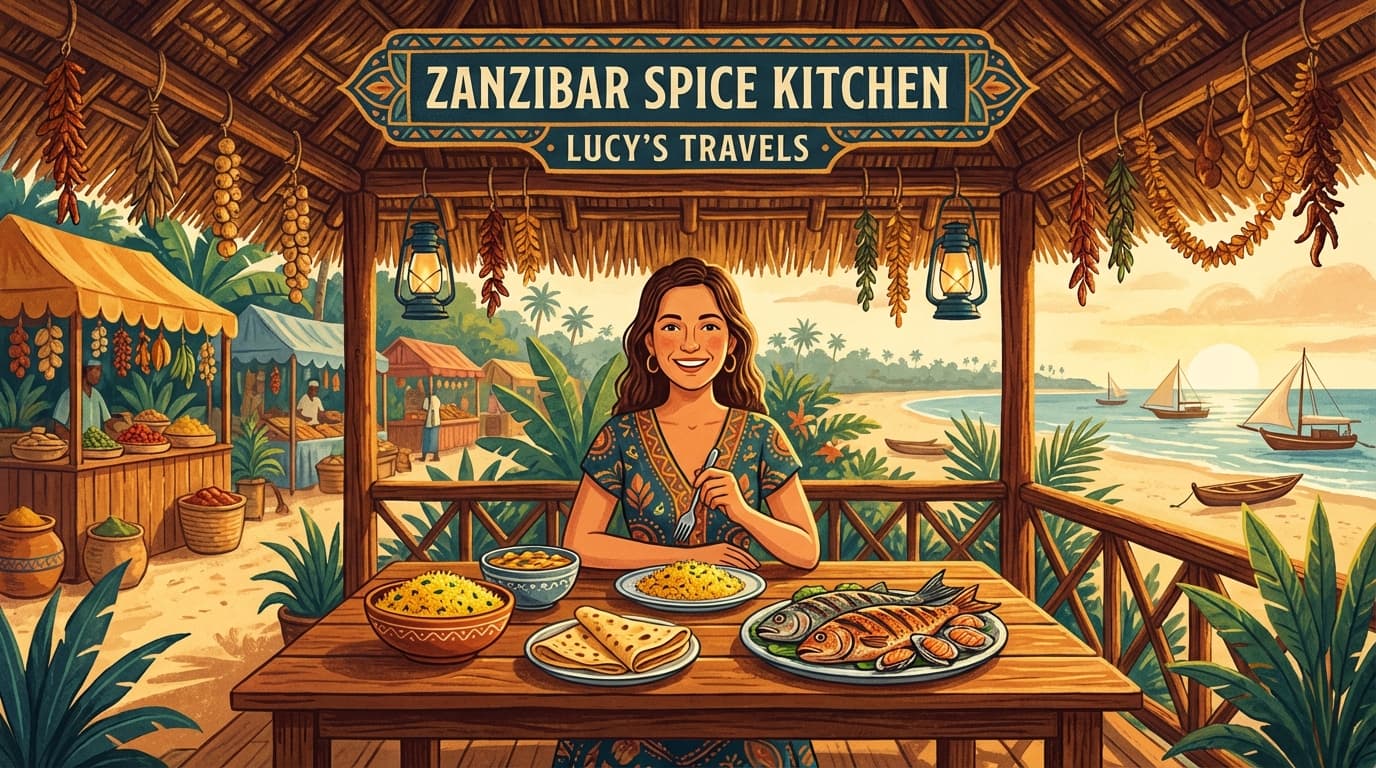
East African cuisine spans Ethiopian injera to Kenyan nyama choma to Zanzibar's spice-influenced seafood. The food is communal, hand-eaten, and built on staples like ugali, injera, and plantain. Ethiopian cuisine alone is one of the world's most distinctive.

South African Cuisine
South Africa
South African food is a rainbow nation on a plate: Dutch, Malay, Indian, British, and indigenous African influences. From Cape Malay bobotie to Durban bunny chow, braai culture to world-class wine, South Africa surprises everyone.
Caribbean & Latin American Cuisine

Argentine Cuisine
Argentina
Argentine food is defined by beef: the best grass-fed steak in the world, cooked over wood-fired grills with reverent simplicity. Beyond asado, there's Italian-influenced pasta, empanadas, dulce de leche, and some of South America's finest wines.
Brazilian Cuisine
Brazil
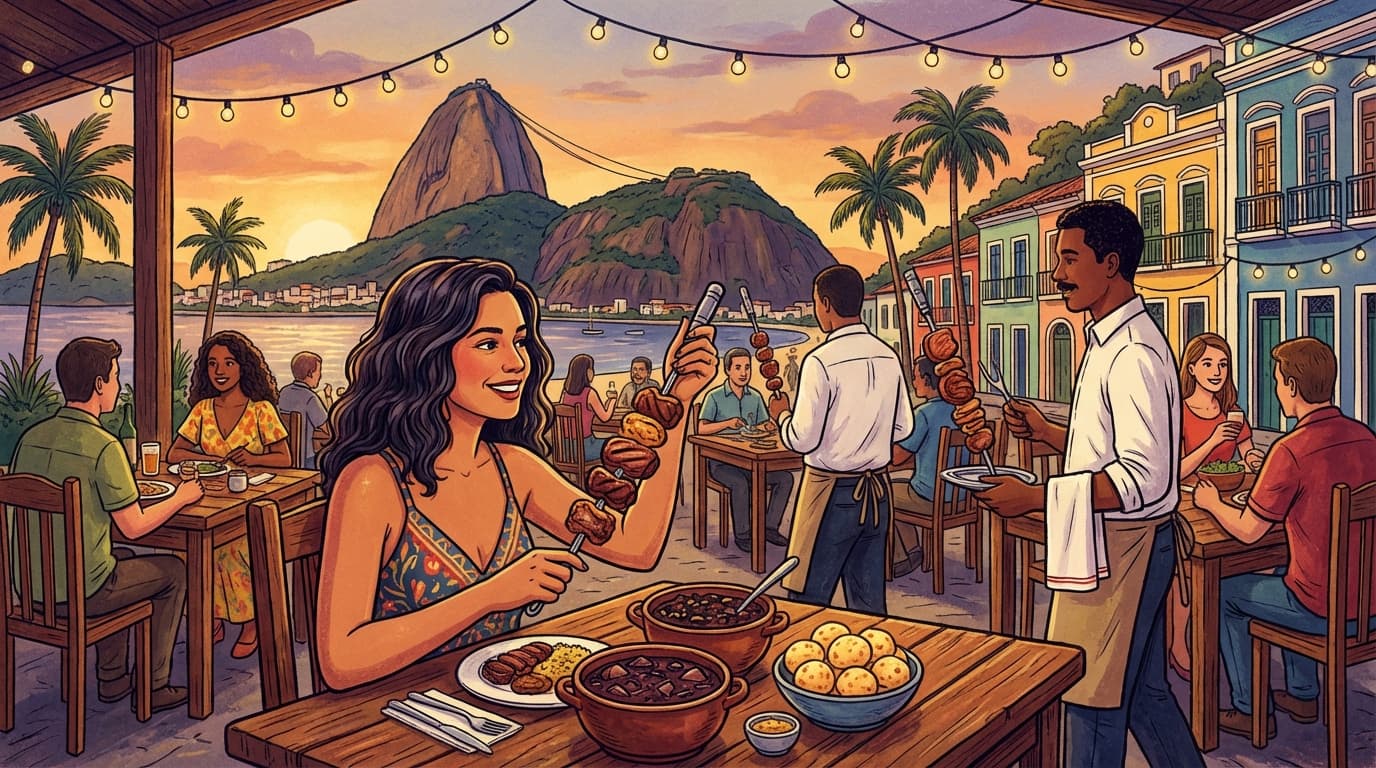
Brazilian cuisine is as vast as the country. From all-you-can-eat churrascarias to Bahian seafood stews with palm oil and coconut, the food reflects African, Portuguese, and indigenous traditions. Portions enormous, flavours bold, barbecue culture without equal.

Caribbean Cuisine
Caribbean Islands
Caribbean cuisine is a joyful fusion of African, European, Indian, and indigenous influences. Jerk chicken, roti, rice and peas, and fresh seafood are the foundation. Each island has its own personality.
Colombian Cuisine
Colombia
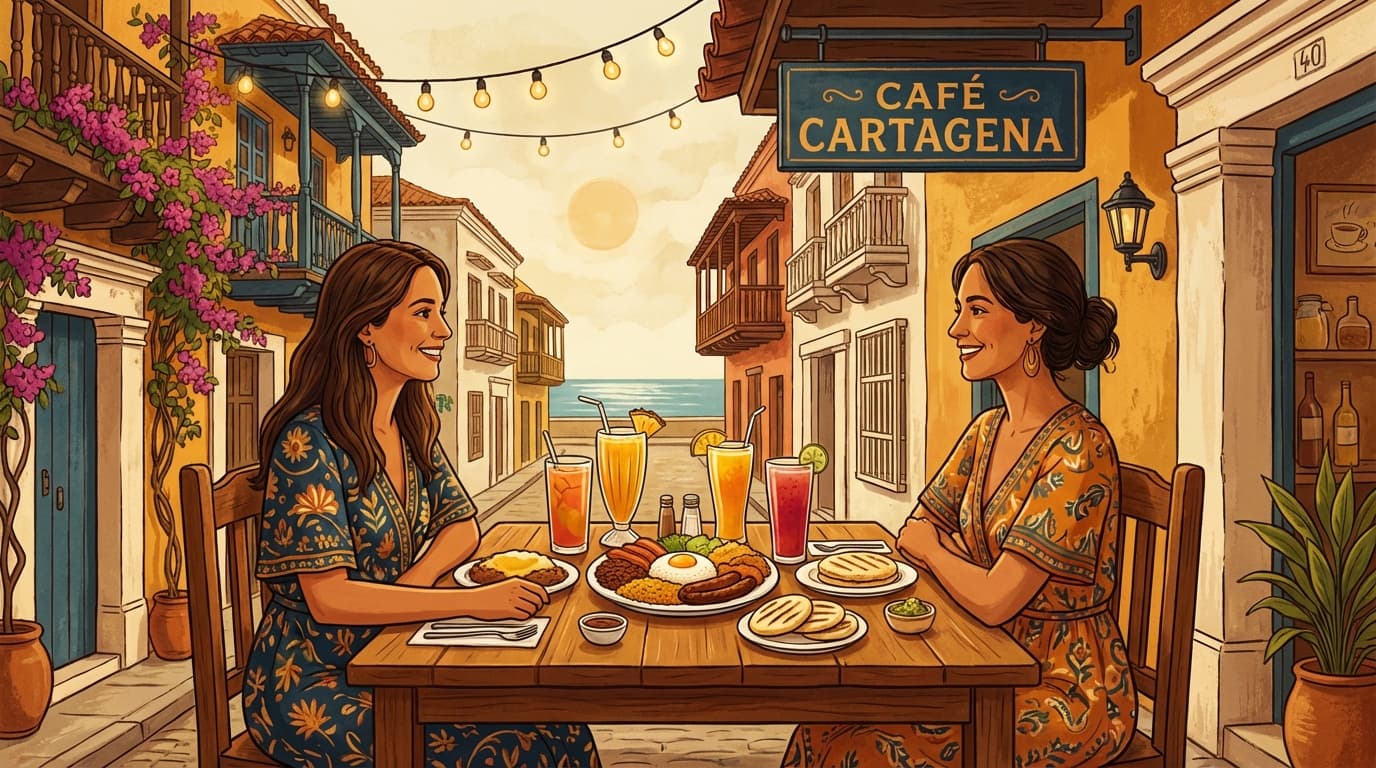
Colombian cuisine is hearty, diverse, and deeply regional. Bandeja Paisa is a mountain of food, arepas are daily bread, and the fruit diversity is staggering. From Caribbean ceviche to Andean ajiaco, the food reflects extraordinary geographic range.
Cuban Cuisine
Cuba
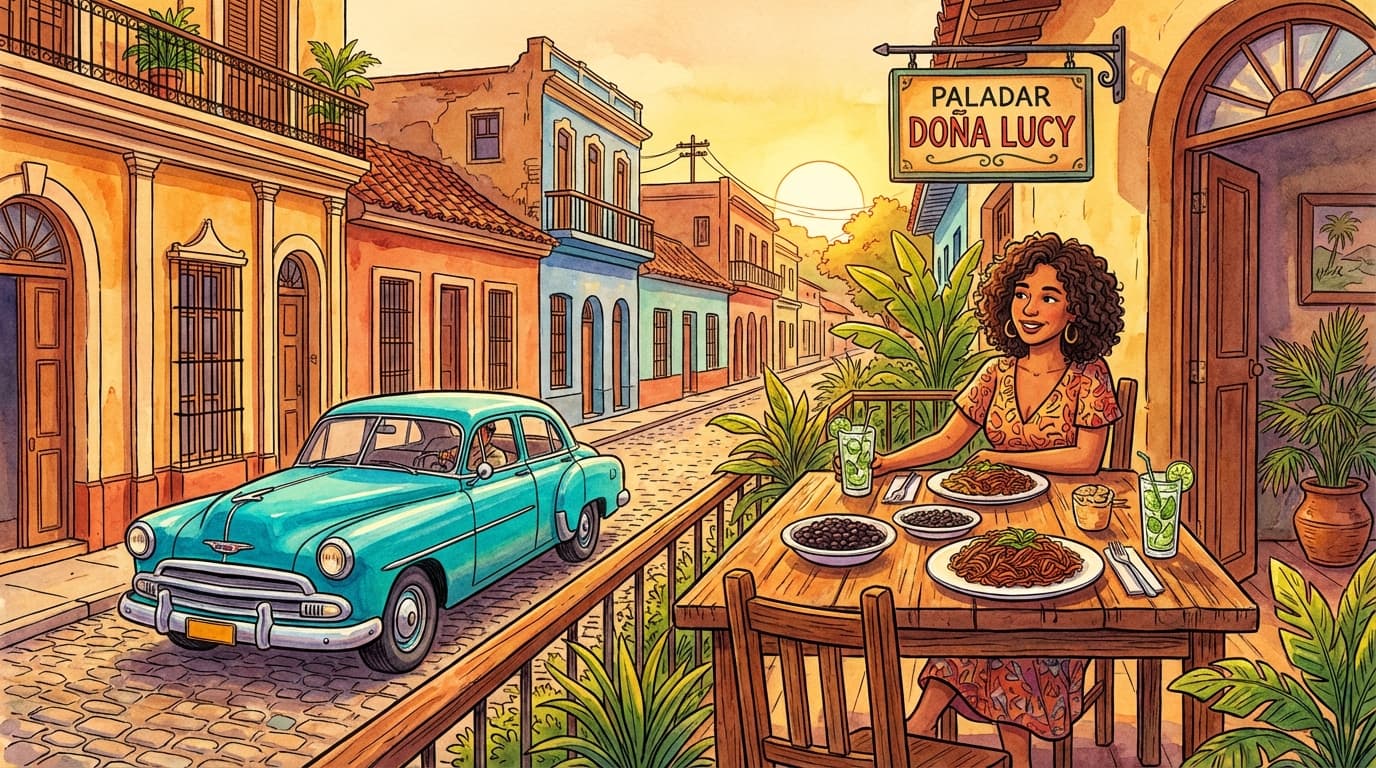
Cuban cuisine is flavourful, simple, and shaped by Spanish heritage and decades of economic constraint. Slow-roasted pork, black beans and rice, and tropical fruit form the foundation. Paladares (home restaurants) serve the most authentic meals.
Mexican Cuisine
Mexico
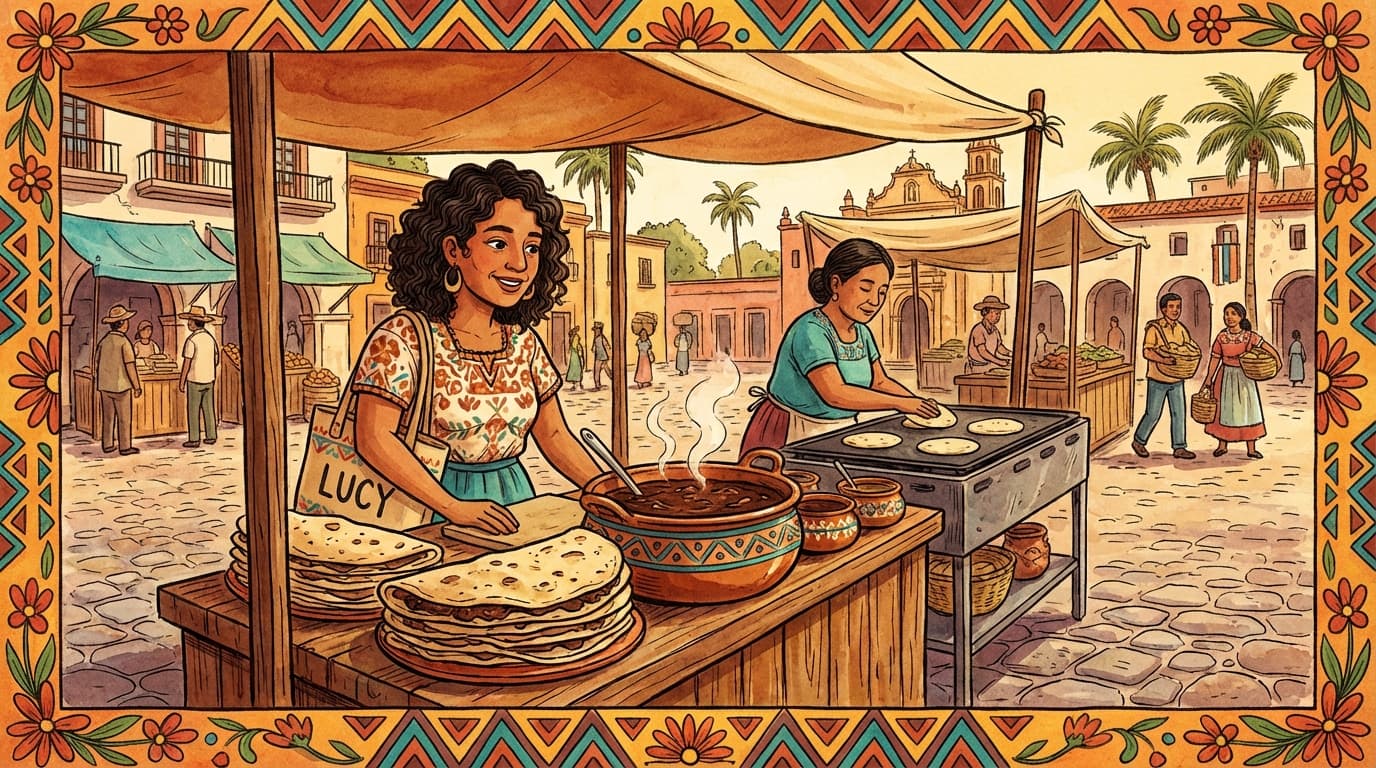
Mexican cuisine is a UNESCO-recognised cultural treasure, far more diverse than Tex-Mex. Each region has its own moles, salsas, and specialities. Street food is an art form, and a taco from a roadside stand will ruin you for everything else.

Peruvian Cuisine
Peru
Peruvian cuisine is South America's most exciting: indigenous, Spanish, African, Chinese (chifa), and Japanese (Nikkei) influences produce dishes found nowhere else. Ceviche, lomo saltado, and causa are just the beginning.
East Asian Cuisine

Chinese Cuisine
China
Chinese cuisine encompasses eight major regional traditions, each as different as French from Mexican. Sichuan's fiery mapo tofu, Cantonese dim sum, Beijing's roast duck, and Shanghai's soup dumplings barely scratch the surface.
Hong Kong Cuisine
Hong Kong
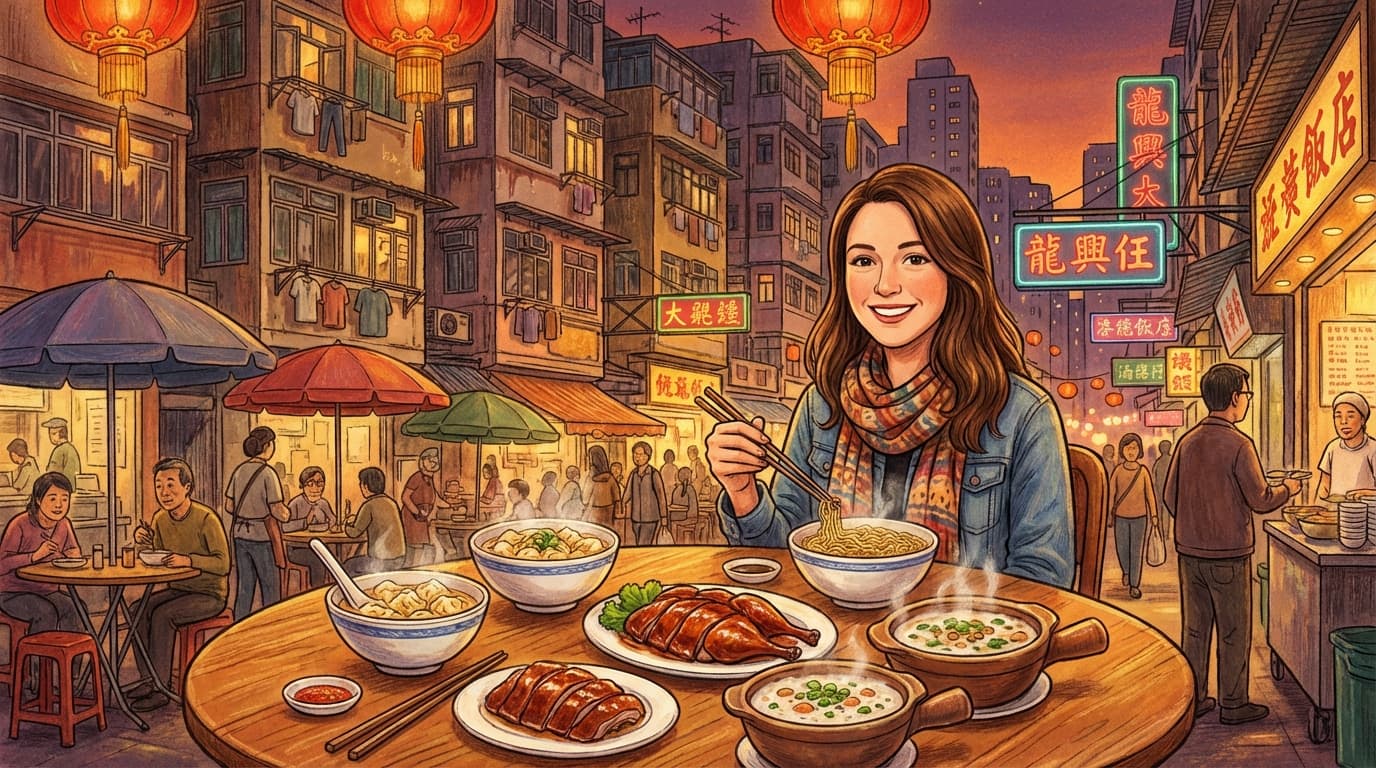
Hong Kong is one of the world's great eating cities. Michelin-starred dim sum coexists with legendary street stalls, and a cha chaan teng serves some of the most satisfying meals you'll ever eat.

Japanese Cuisine
Japan
Japanese cuisine is the most precise and varied food culture on Earth. From a perfect bowl of ramen to an omakase sushi counter, every dish reflects centuries of refinement. Eating in Japan is extraordinary at every price point.
Korean Cuisine
South Korea
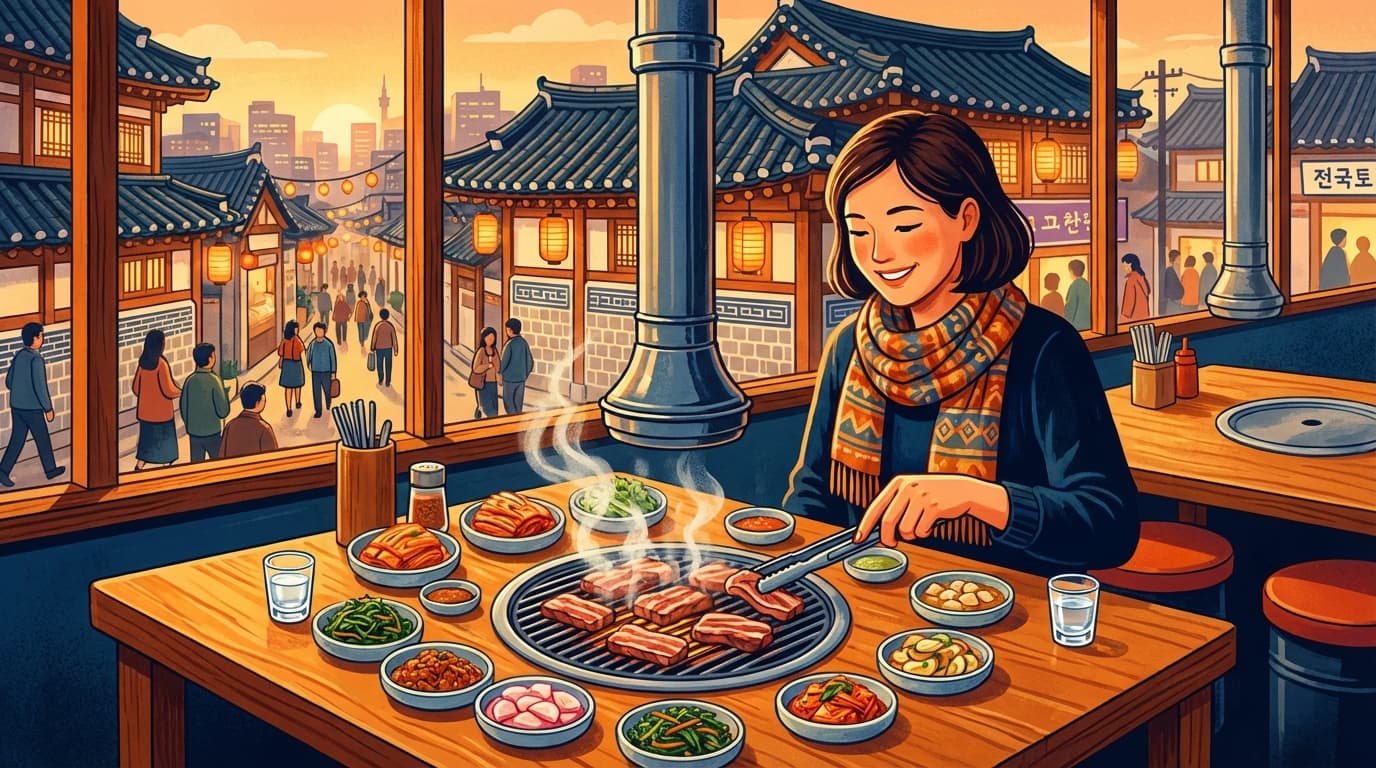
Korean food is bold, fermented, and communal. Every meal comes with banchan (side dishes), kimchi is served at every sitting, and BBQ culture is a social event. The depth of flavour from fermentation and chilli will convert even cautious eaters.

Taiwanese Cuisine
Taiwan
Taiwan is one of Asia's greatest food destinations. Night markets offer hundreds of snacks at absurdly low prices. From beef noodle soup to bubble tea, Taiwanese food is a glorious blend of Chinese, Japanese, and indigenous influences.
Middle Eastern Cuisine
Egyptian Cuisine
Egypt
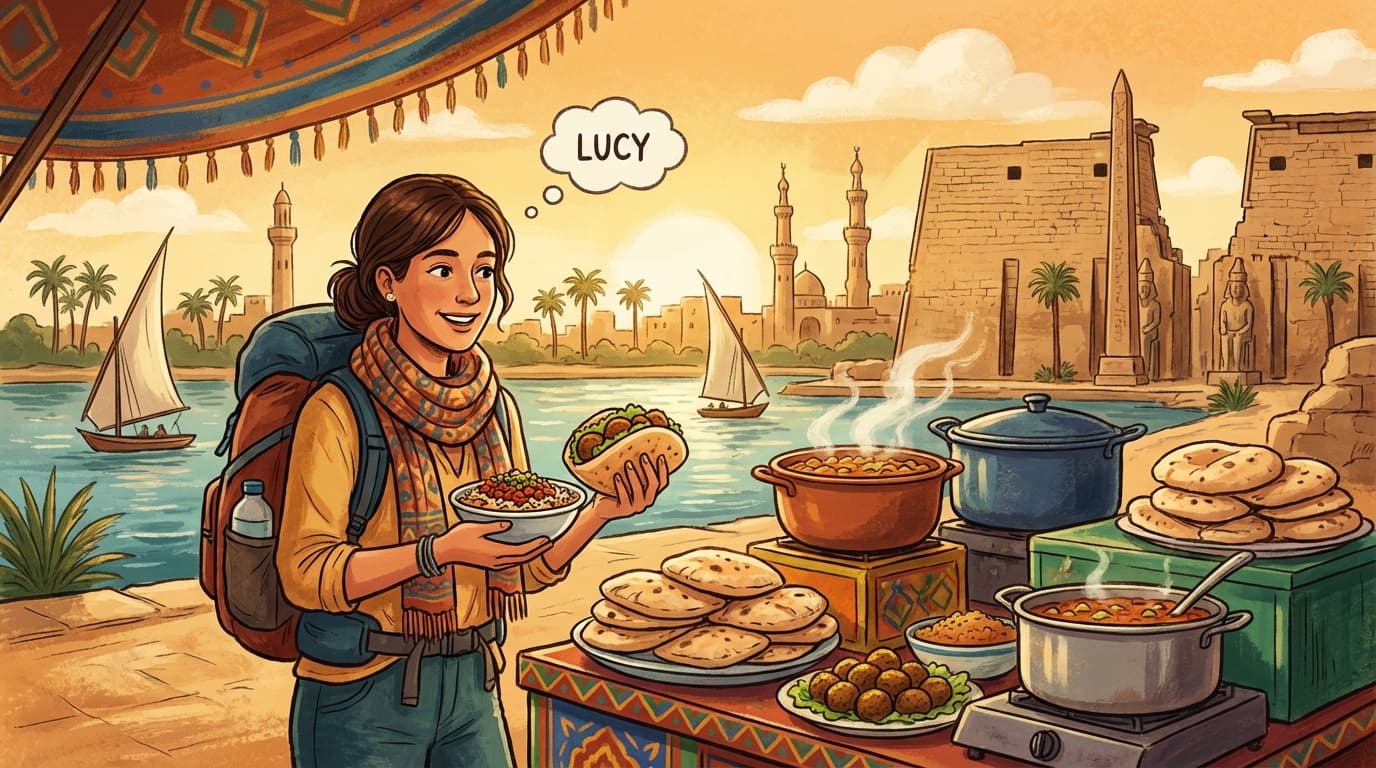
Egyptian food is ancient, hearty, and deeply flavourful. Ful medames has been eaten for 4,000 years. Koshari, shawarma, and stuffed pigeons represent a cuisine built on legumes, bread, and bold spices.

Emirati/Gulf Cuisine
UAE, Gulf States
Gulf cuisine blends Bedouin tradition with Indian, Persian, and Levantine influences. Aromatic, spice-laden, built around hospitality. Authentic cuisine is harder to find among international restaurants but absolutely worth seeking.
Israeli Cuisine
Israel
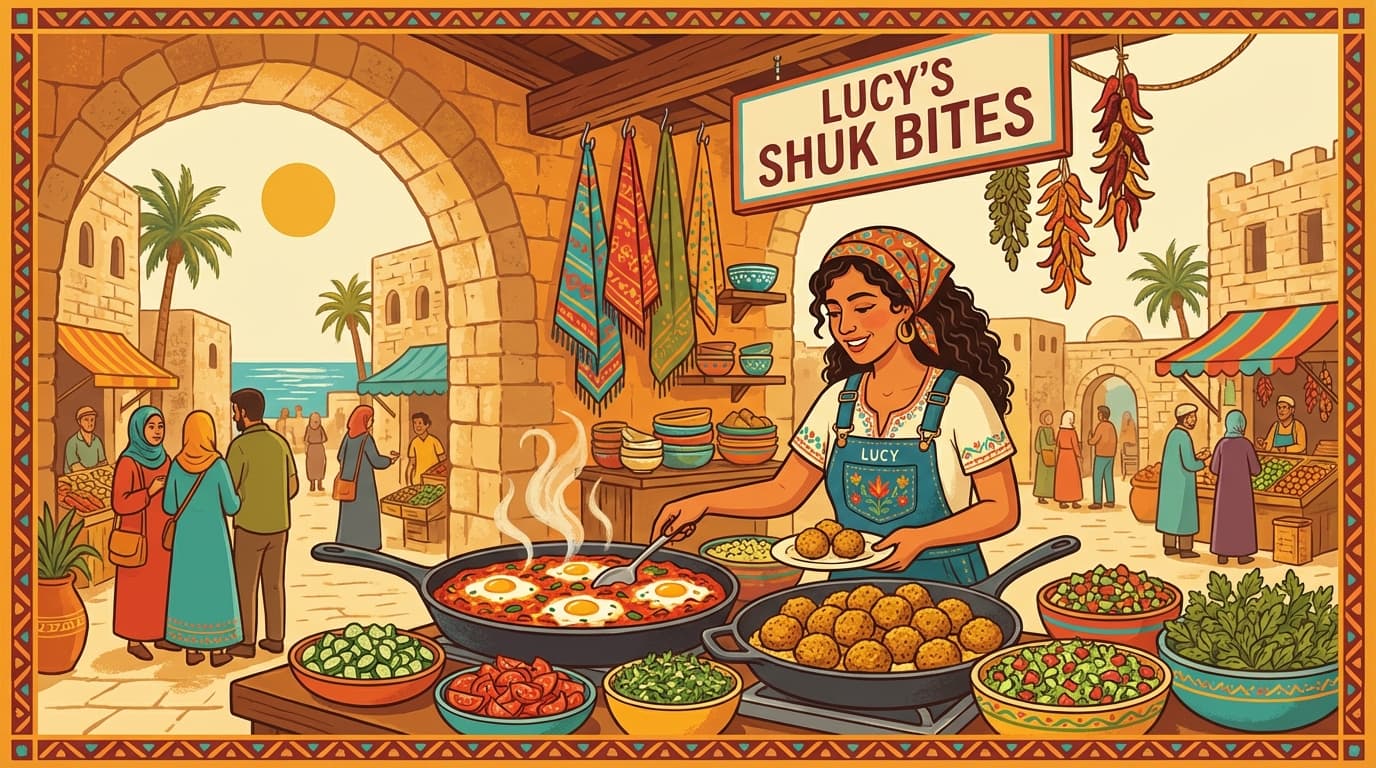
Israeli cuisine is a vibrant collision of Middle Eastern, North African, and European traditions. Fresh, vegetable-forward, incredibly flavourful. Hummus is an obsession, shakshuka the perfect breakfast, and market culture among the world's best.
Persian Cuisine
Iran
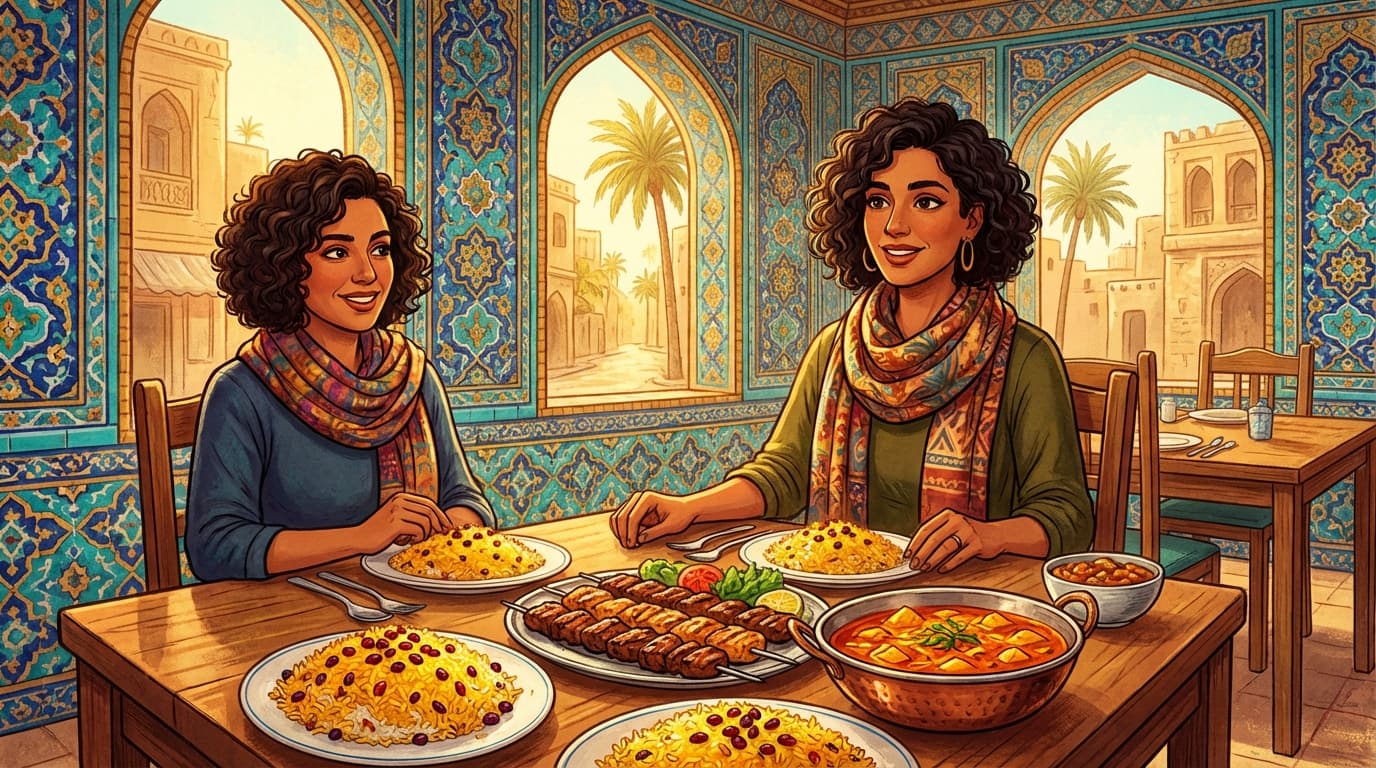
Persian cuisine is one of the world's oldest and most elegant: fragrant with saffron, rose water, and dried limes, enriched with pomegranates and walnuts, refined over 2,500 years. Iranian meals are generous, multi-course affairs.
North American Cuisine
Northern & Eastern Europe

British Cuisine
United Kingdom
British food has undergone a revolution. Beyond bland stereotypes, modern Britain offers world-class Indian food, the best pub lunches, extraordinary cheese, and a street food scene rivalling any world city.

Dutch Cuisine
Netherlands
Dutch food is unpretentious, hearty, and full of surprises. Street food (raw herring, stroopwafels, bitterballen) is outstanding, Indonesian-influenced cuisine is unique in Europe, and the cheese needs no introduction.

German Cuisine
Germany
German cuisine is far more diverse than sausages and sauerkraut. From Bavarian beer halls to refined Rhineland dining, every region has distinct specialities. The food is hearty, portions generous, and the beer culture is unmatched.
Polish Cuisine
Poland
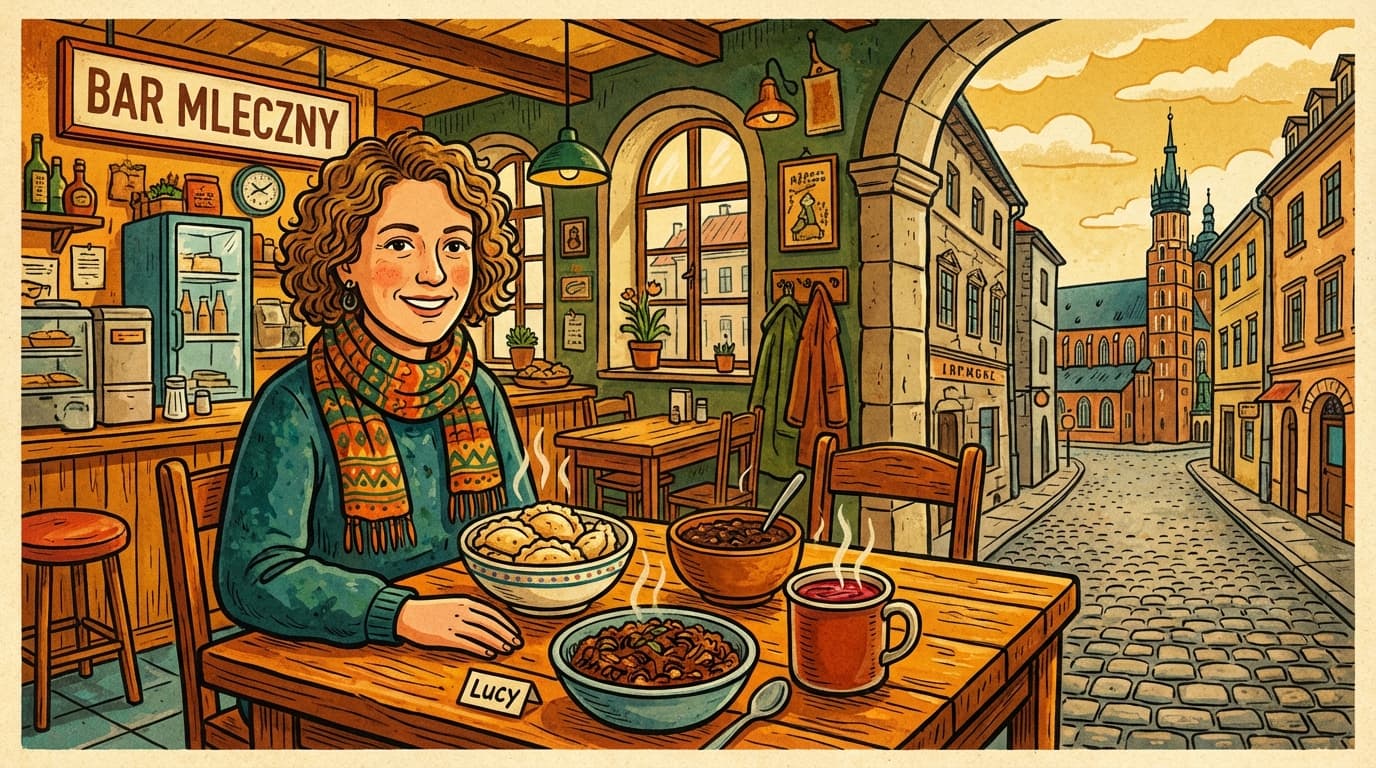
Polish cuisine is Central Europe's best-kept secret: hearty, flavourful, and extraordinarily good value. Pierogi, bigos, zurek, and smoked meats showcase a food culture that takes comfort food seriously.

Scandinavian (Nordic) Cuisine
Denmark, Sweden, Norway
Nordic cuisine has been transformed by the New Nordic movement, but its soul remains rooted in preservation: smoking, pickling, fermenting, and curing. From Danish smorrebrod to Swedish meatballs to Norwegian salmon, the food is clean, seasonal, and innovative.
South Asian Cuisine
Indian (North) Cuisine
India
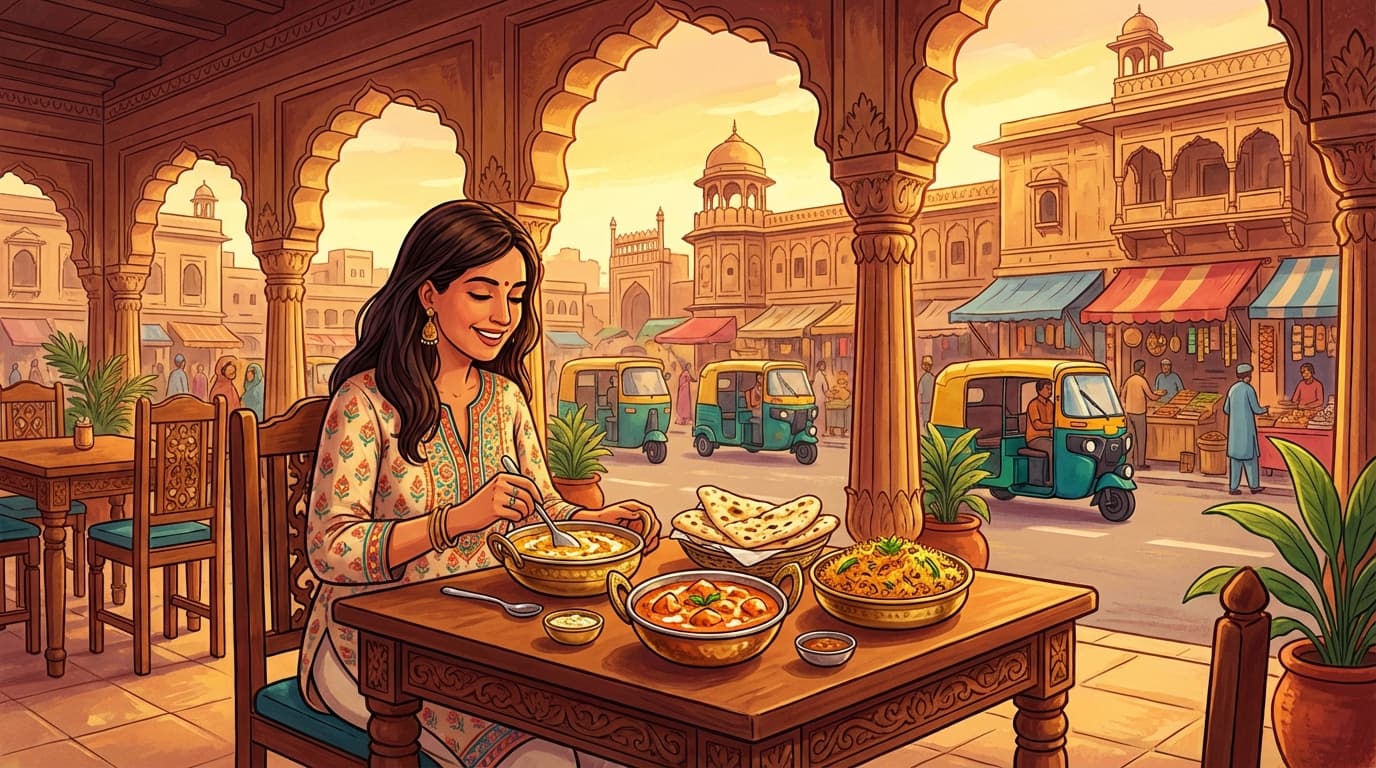
North Indian cuisine is what most think of as 'Indian food': rich curries, tandoori meats, fluffy naan, aromatic biryanis. Mughal influence created luxurious dishes; Punjabi dhaba culture produced bold comfort food.
Indian (South) Cuisine
India
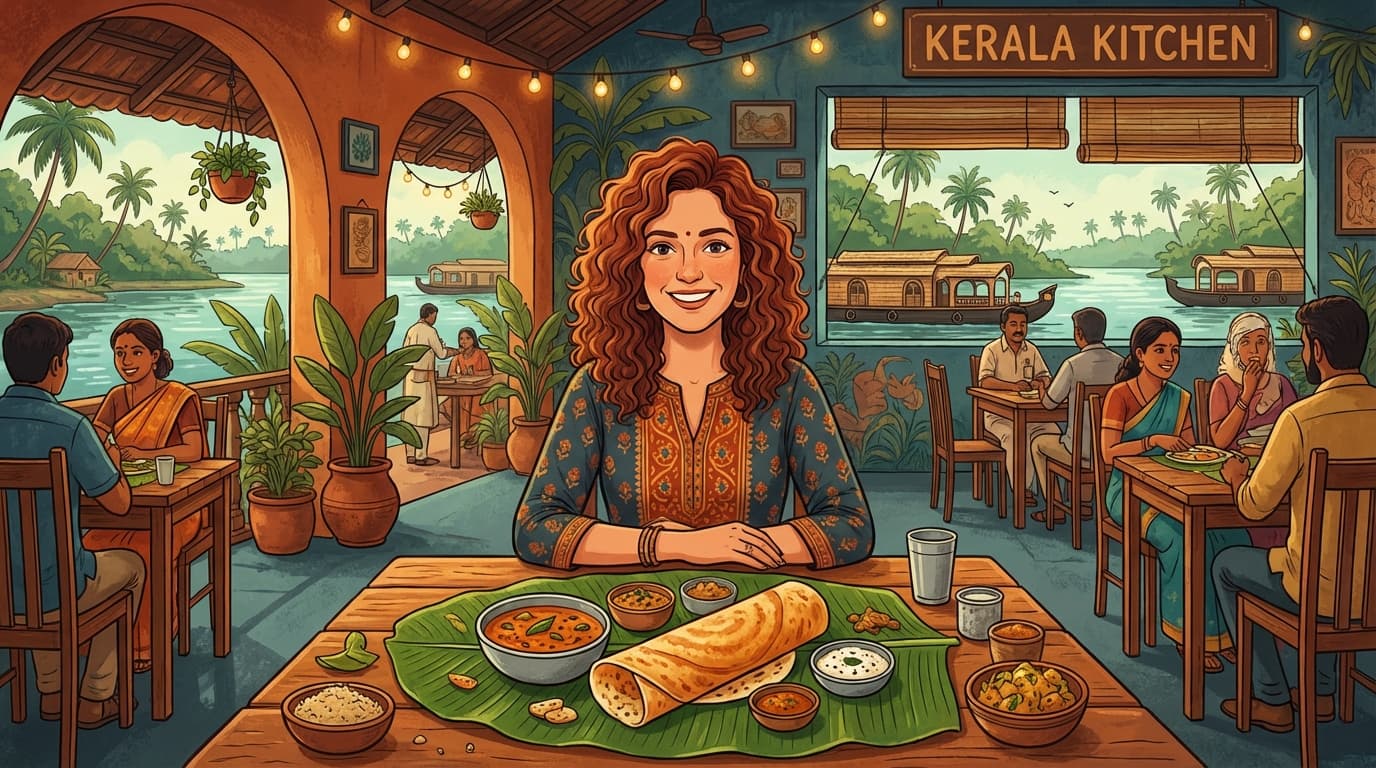
South Indian cuisine is lighter, tangier, and more rice-based. Dosas the size of your arm, fragrant coconut curries, fiery Chettinad spices, and filter coffee create a dramatically different food culture.
Nepalese Cuisine
Nepal
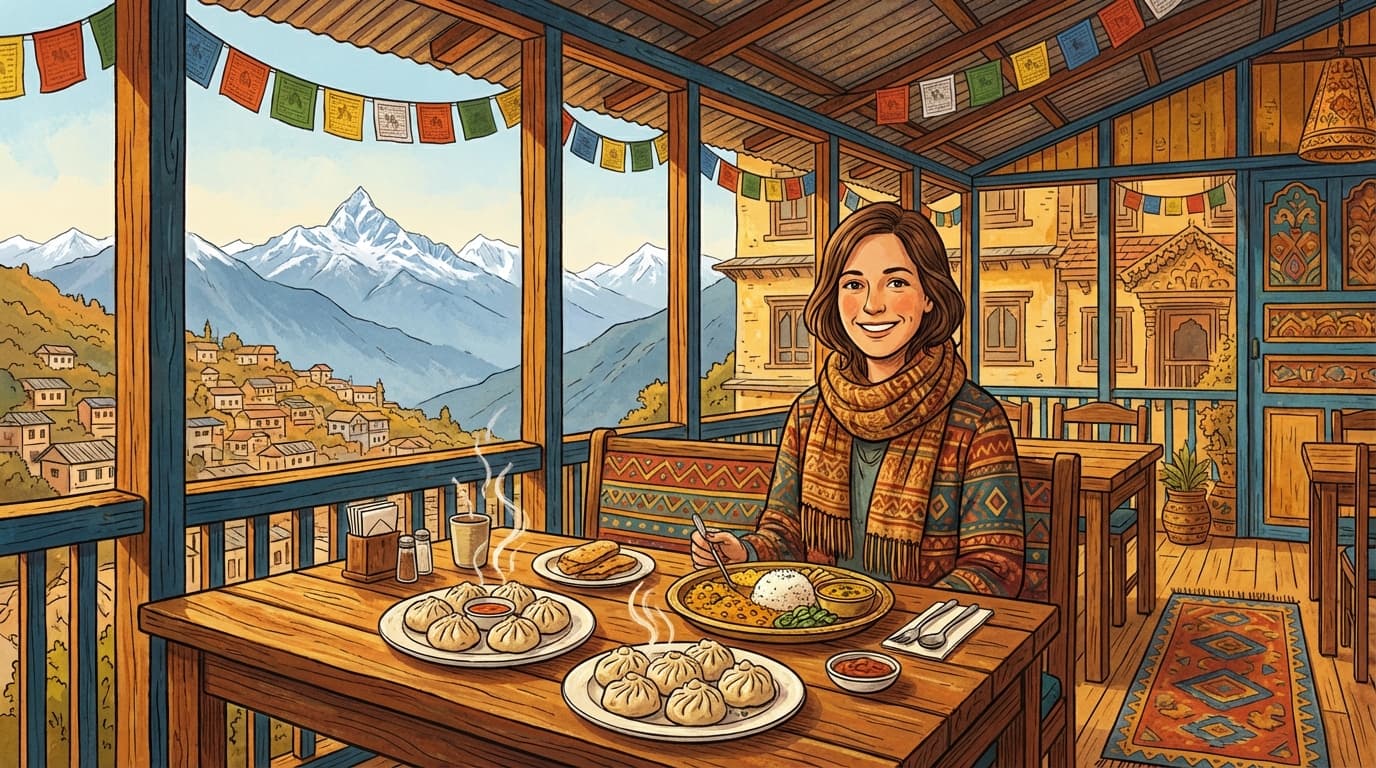
Nepalese cuisine blends Indian and Tibetan influences with mountain identity. Dal bhat is the twice-daily staple, momos are the national snack, and the food is designed to fuel trekkers through high altitudes.
Sri Lankan Cuisine
Sri Lanka
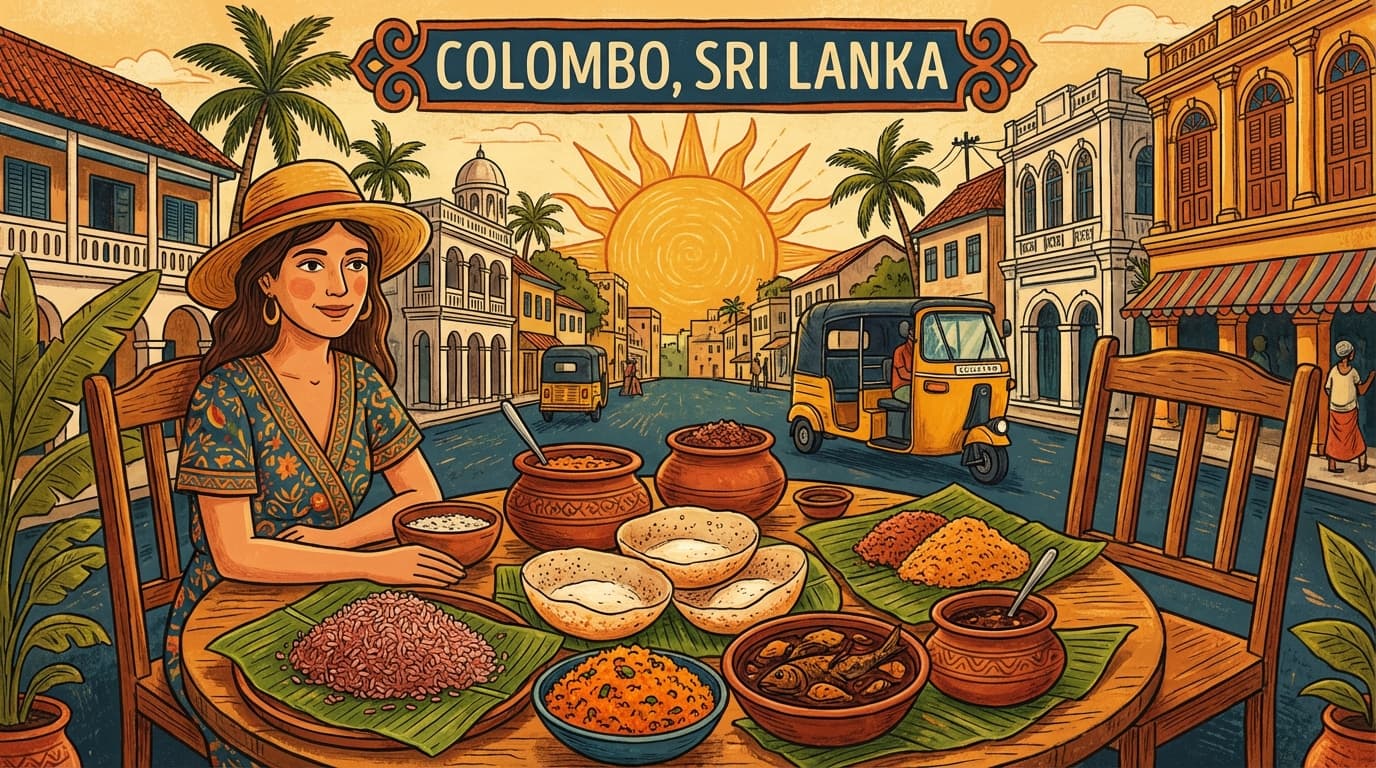
Sri Lankan cuisine is fiery, coconut-rich, and distinct from Indian food. The island's rice and curry — rice surrounded by a dozen small curries — is one of the world's great meals.
Southeast Asian Cuisine
Cambodian Cuisine
Cambodia
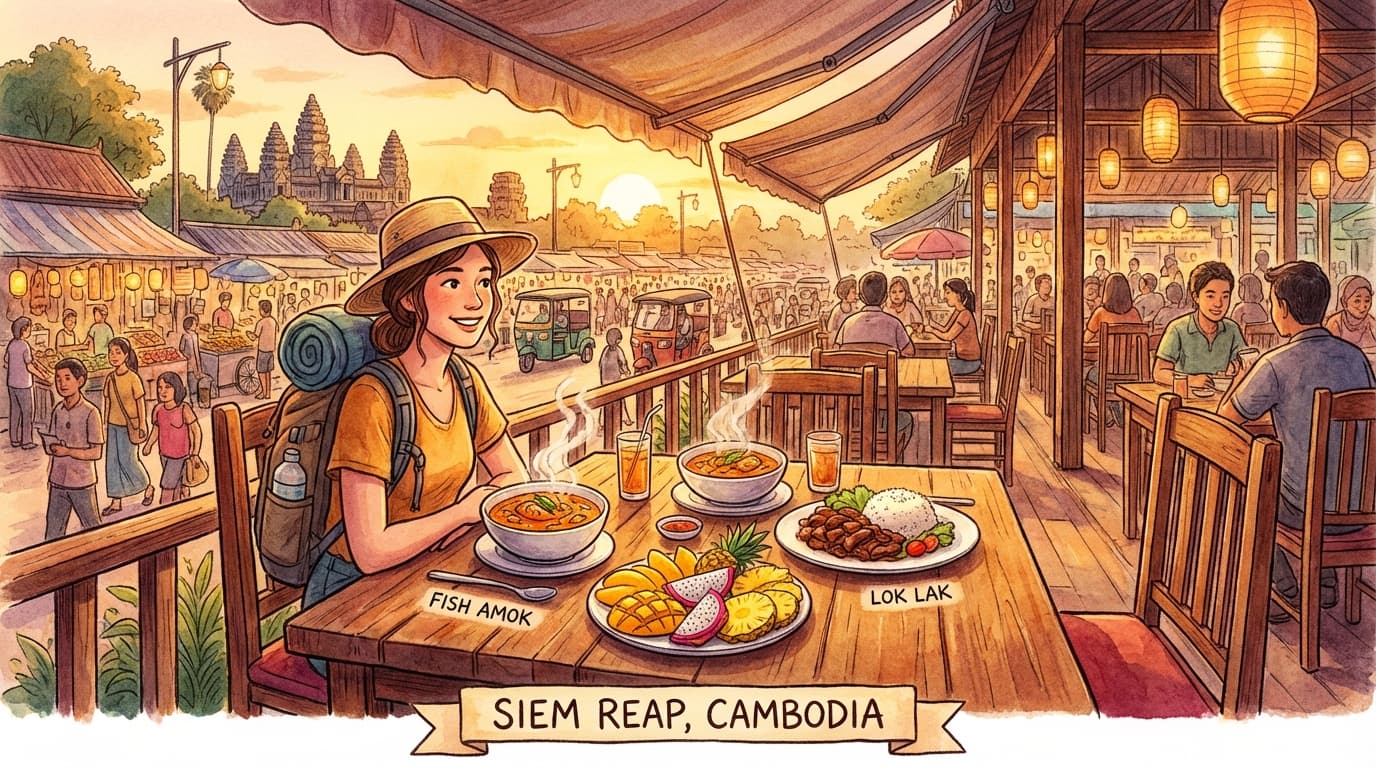
Cambodian (Khmer) cuisine is Southeast Asia's gentlest: less fiery than Thai, less pungent than Vietnamese, with complex layers from kroeung (spice paste) and prahok (fermented fish paste).
Filipino Cuisine
Philippines
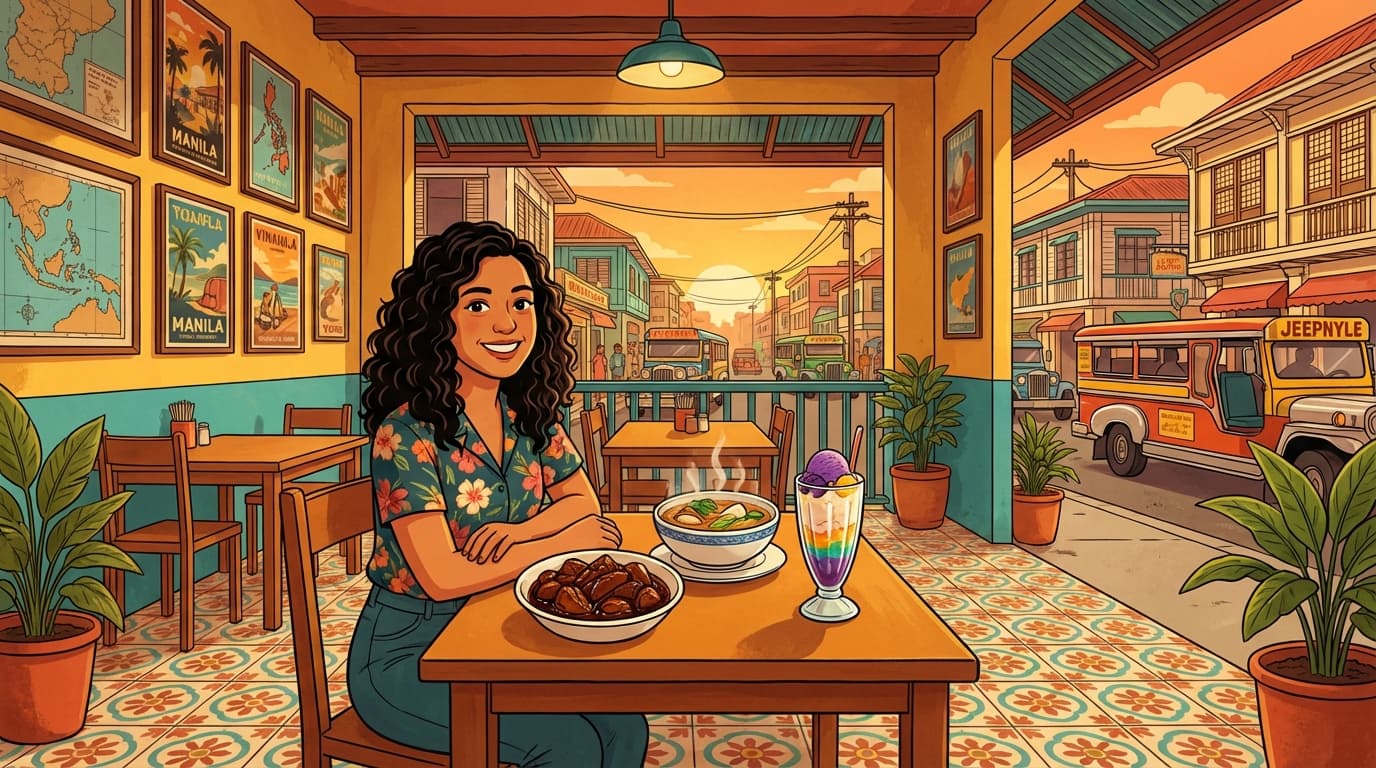
Filipino food is bold, sour, sweet, and deeply comforting: a blend of Malay, Chinese, Spanish, and American influences. Adobo, lechon, sinigang, and halo-halo represent a cuisine that's finally getting global recognition.
Indonesian Cuisine
Indonesia
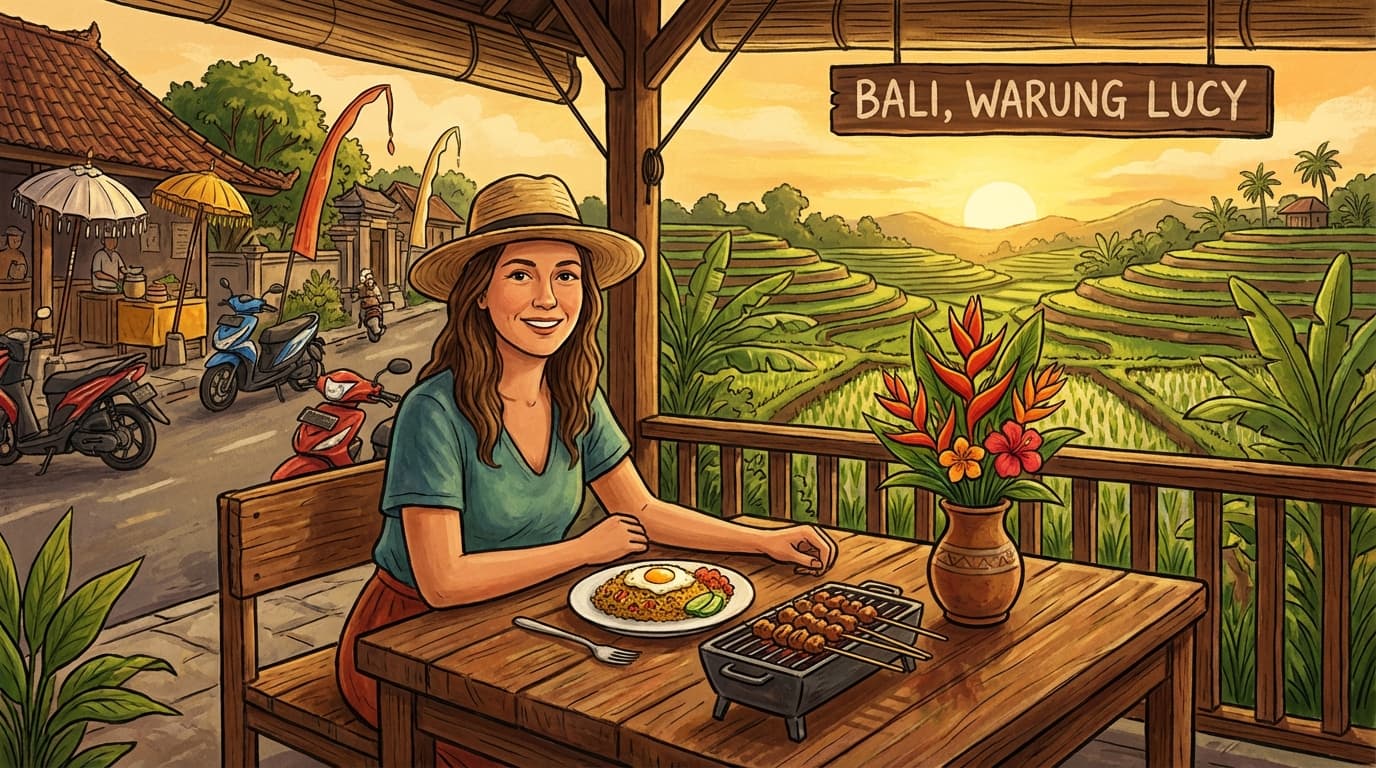
Indonesian cuisine spans 17,000 islands with one of the world's most diverse food cultures. Rendang, satay, nasi goreng, and sambal are just the beginning. Bold, spicy, built on coconut, peanut, chilli, and aromatic spice pastes.
Malaysian Cuisine
Malaysia
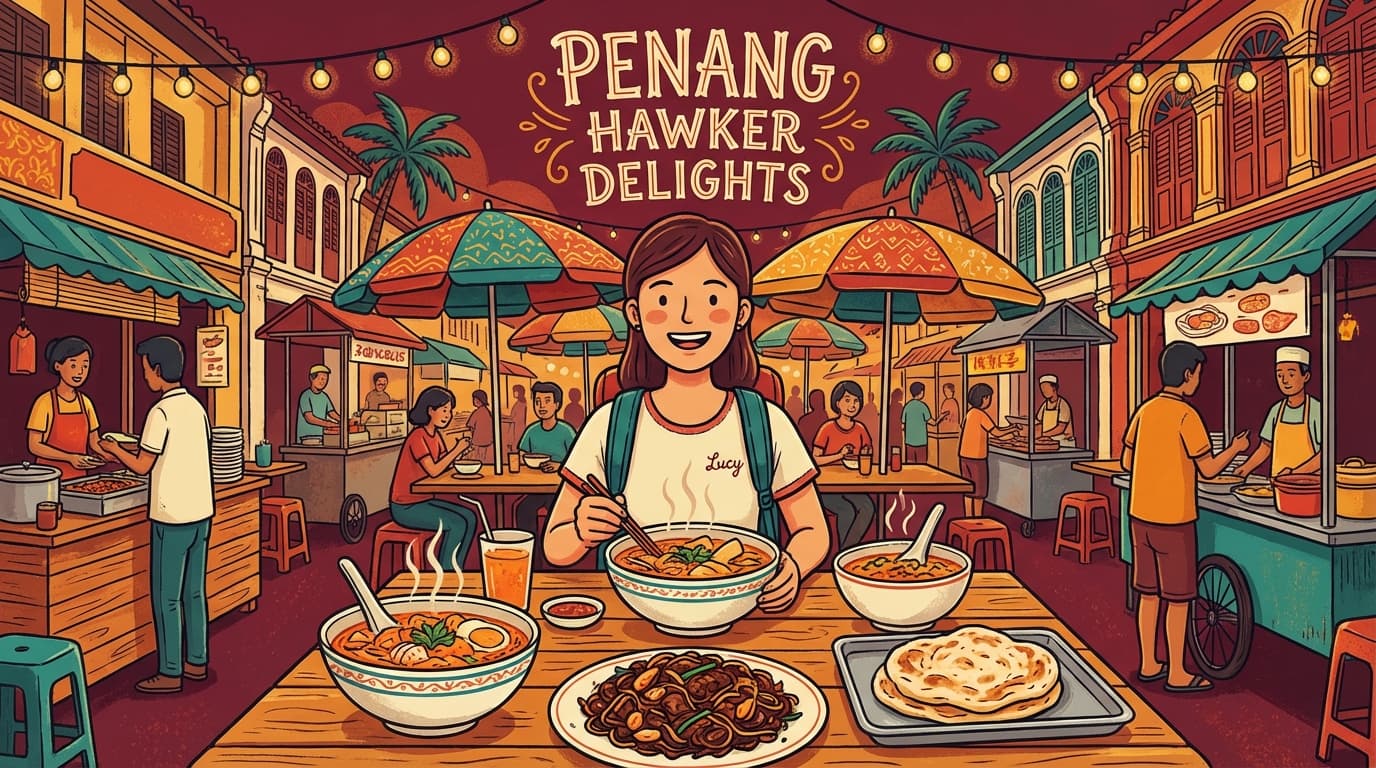
Malaysian cuisine is a spectacular fusion of Malay, Chinese, and Indian traditions, producing dishes found nowhere else. Nasi lemak, laksa, roti canai, and char kway teow represent a food culture where civilisations have blended magnificently.
Singaporean Cuisine
Singapore
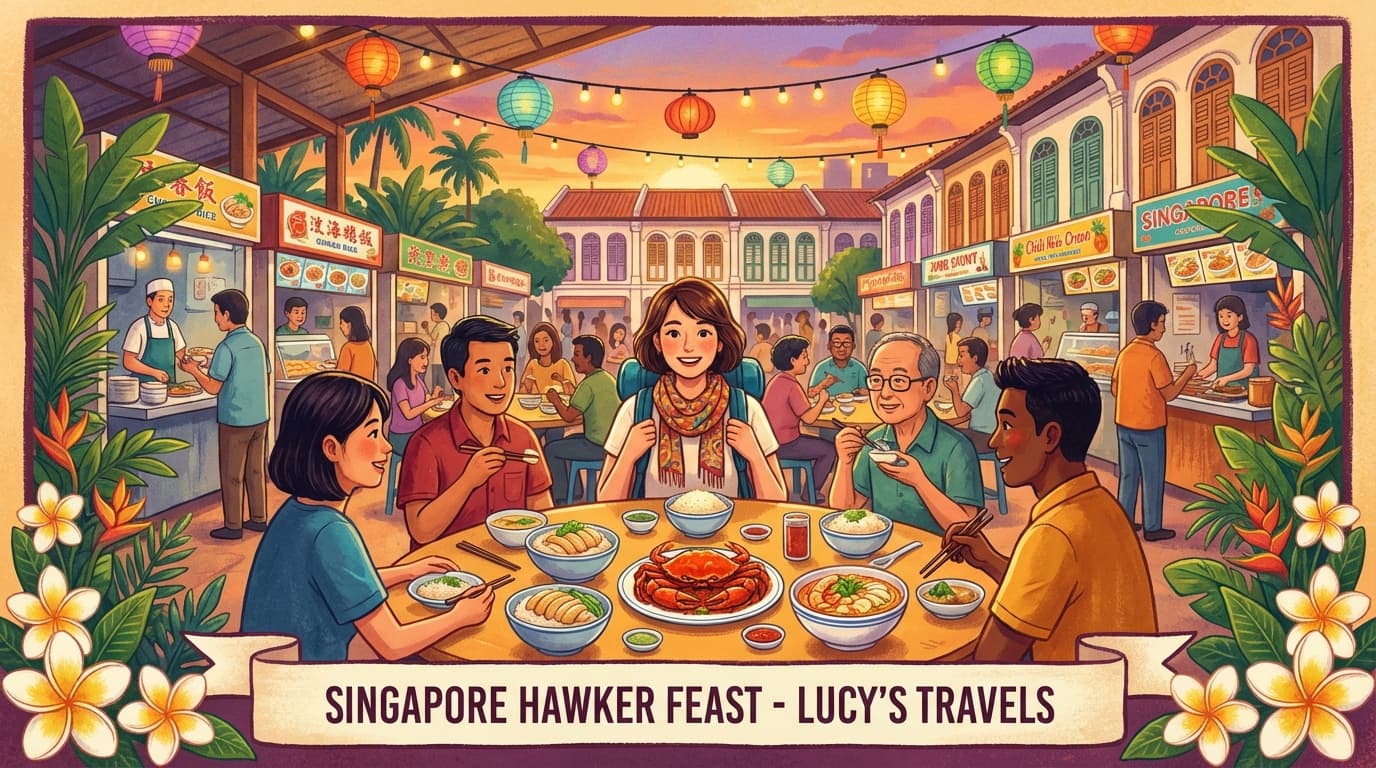
Singapore is a tiny island with one of the world's greatest food cultures. Chinese, Malay, Indian, and Peranakan traditions collide in hawker centres where Michelin-starred meals cost $3.
Thai Cuisine
Thailand
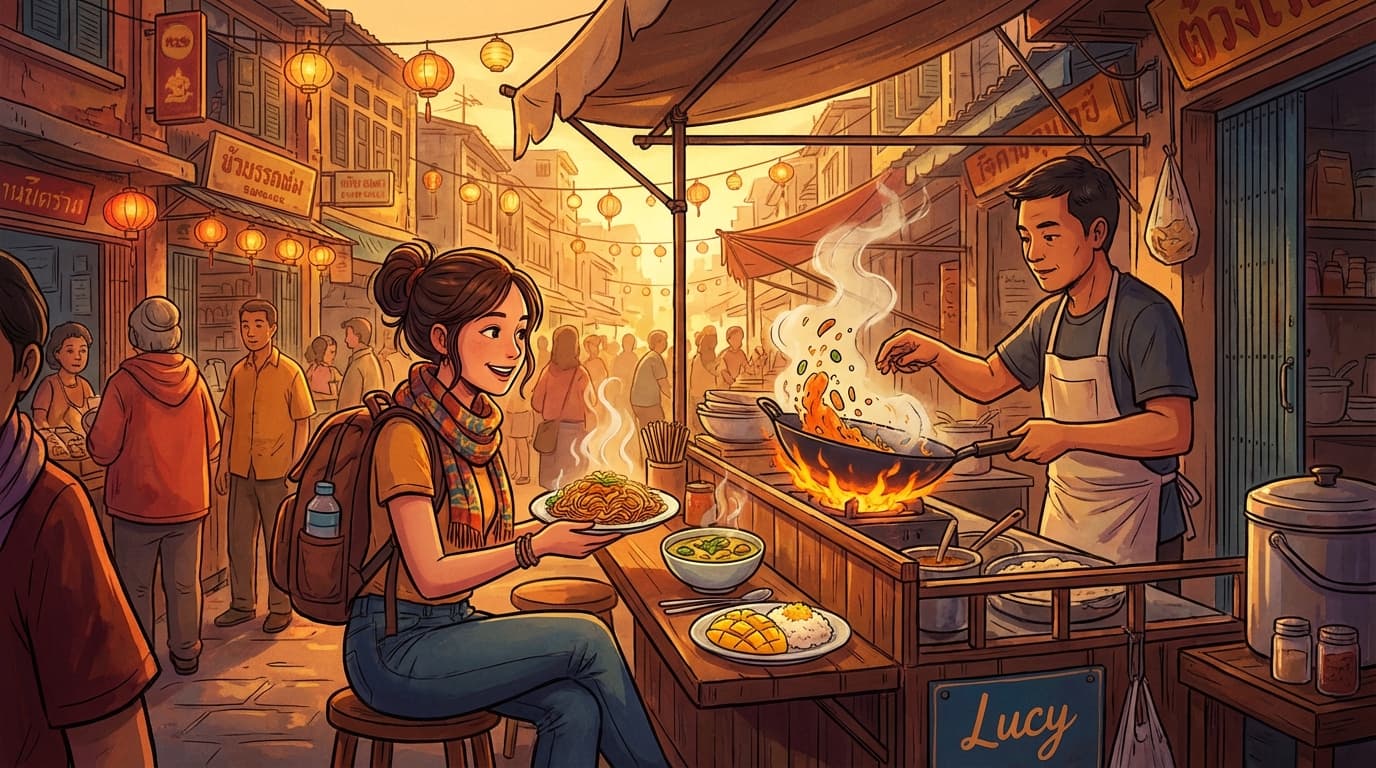
Thai cuisine is a masterclass in balancing sweet, sour, salty, and spicy. Thailand's street food culture is UNESCO-recognised and eating at plastic tables on Bangkok sidewalks is often better than any restaurant.

Vietnamese Cuisine
Vietnam
Vietnamese cuisine is light, fresh, and herb-driven. Pho for breakfast, banh mi for lunch, and bun cha for dinner. The balance of herbs, lime, chilli, and fish sauce creates food that's simultaneously delicate and punchy.