
Japan
Japanese Food Guide for Travelers
Last updated March 29, 2026
Japanese cuisine is the most precise and varied food culture on Earth. From a perfect bowl of ramen to an omakase sushi counter, every dish reflects centuries of refinement. Eating in Japan is extraordinary at every price point.
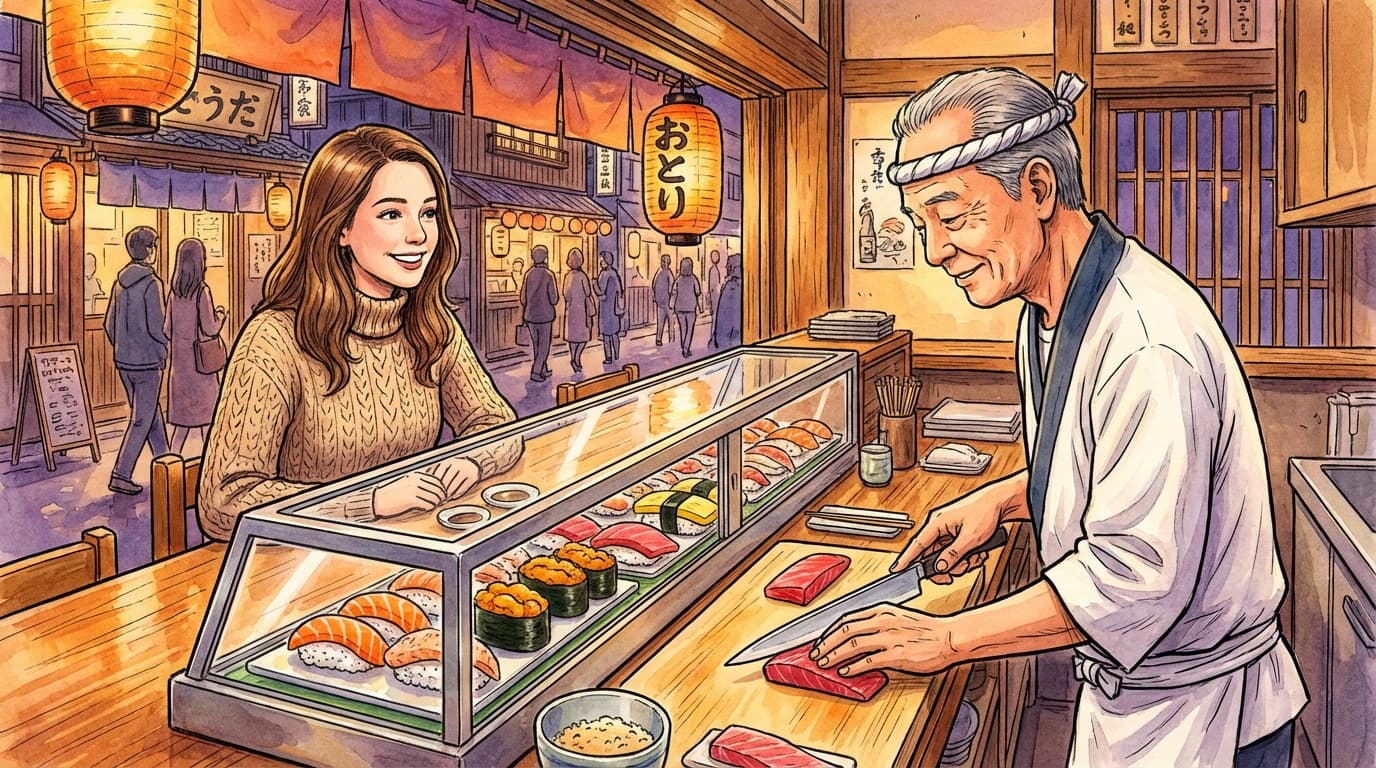
How Japanese Meals Work
Japanese meals balance rice, soup, main, and pickles. Teishoku (set meal) is the best value. Lunch sets are cheaper than dinner.
Izakaya Culture
An izakaya is a Japanese pub with small plates, beer, sake, and highballs. The most social way to eat in Japan. Most have picture menus.
Convenience Store Food
Japanese konbini sell food that would be restaurant-quality anywhere else. Fresh onigiri, bento, fried chicken, and excellent coffee for a fraction of restaurant prices.
Regional Specialities
Tokyo has Tsukiji sushi and monjayaki. Osaka is street food capital: takoyaki and okonomiyaki. Kyoto does kaiseki and matcha. Hokkaido is seafood and dairy.
Must-Try Dishes
Ramen
$Wheat noodles in rich broth: tonkotsu, shoyu, miso, or shio. Each region has its style.
Contains gluten, meat, soy
Sushi
$$Vinegared rice with fresh fish (nigiri) or rolled in nori (maki).
Contains fish, rice, soy; naturally gluten-free
Tonkatsu
$$Breaded deep-fried pork cutlet with shredded cabbage and tonkatsu sauce.
Contains meat, gluten, eggs
Okonomiyaki
$Savoury pancake with cabbage, meat, seafood, sauce, and mayo. Osaka's signature.
Contains gluten, eggs, meat/seafood
Wagyu Beef
$$$Intensely marbled Japanese beef. Melts on the tongue.
Contains meat; naturally gluten-free
Tempura
$$Lightly battered vegetables and prawns. Batter should be translucent and shatteringly crisp.
Contains gluten, shellfish, eggs
Yakitori
$Skewered grilled chicken: every part from breast to skin.
Contains meat; most gluten-free
Matcha Desserts
$Green tea ice cream, matcha parfaits, wagashi sweets. Kyoto is the capital.
Varies; typically contains dairy
Menu Vocabulary
| Term | Meaning | Category |
|---|---|---|
| Itadakimasu | Said before eating: 'I humbly receive' | Etiquette |
| Omakase | Chef's choice | Dining |
| Izakaya | Japanese pub with small plates | Dining |
| Niku | Meat | Proteins |
| Sakana | Fish | Proteins |
| Yasai | Vegetables | Ingredients |
| Gohan | Rice/meal | Staples |
| Men/Menrui | Noodles | Staples |
| Okaikei | The bill ('okaikei onegaishimasu') | Dining |
| Teishoku | Set meal with rice, soup, main, sides | Dining |
Dietary Restriction Guide
Vegetarian
Buddhist temple cuisine (shojin ryori) is entirely vegetarian. Vegetable tempura, tofu, and edamame widely available. Say 'niku nashi, sakana nashi'.
Vegan
Challenging: dashi (fish stock) is in almost everything. Shojin ryori is vegan. Convenience stores have vegetable onigiri.
Gluten-Free
Sushi with tamari (wheat-free soy sauce), sashimi, grilled meats, and rice dishes are safe. Many sauces contain wheat.
Common Allergies
Soy is ubiquitous. Shellfish and fish in dashi. Buckwheat allergy is taken seriously. Say 'watashi wa ___ arerugii desu'.
Ordering Tips
- •Slurping noodles is expected and a compliment to the chef.
- •Never tip in Japan. It can be considered insulting.
- •Ticket vending machines at ramen shops: insert money, press button, hand ticket to chef.
- •Convenience stores sell excellent fresh food at very low prices.
- •Never stick chopsticks upright in rice (funeral ritual).