
South Korea, North Korea
Essential Korean Phrases for Travelers
Last updated March 29, 2026
Korean uses Hangul, a writing system that was scientifically designed to be easy to learn — King Sejong created it in the 15th century so that common people could become literate. You can learn to read Hangul in an afternoon. Korean grammar and honorifics add complexity, but travel phrases are very achievable, and Koreans are genuinely delighted when visitors speak even a word of their language.
Why Learn Korean Phrases for Travel?
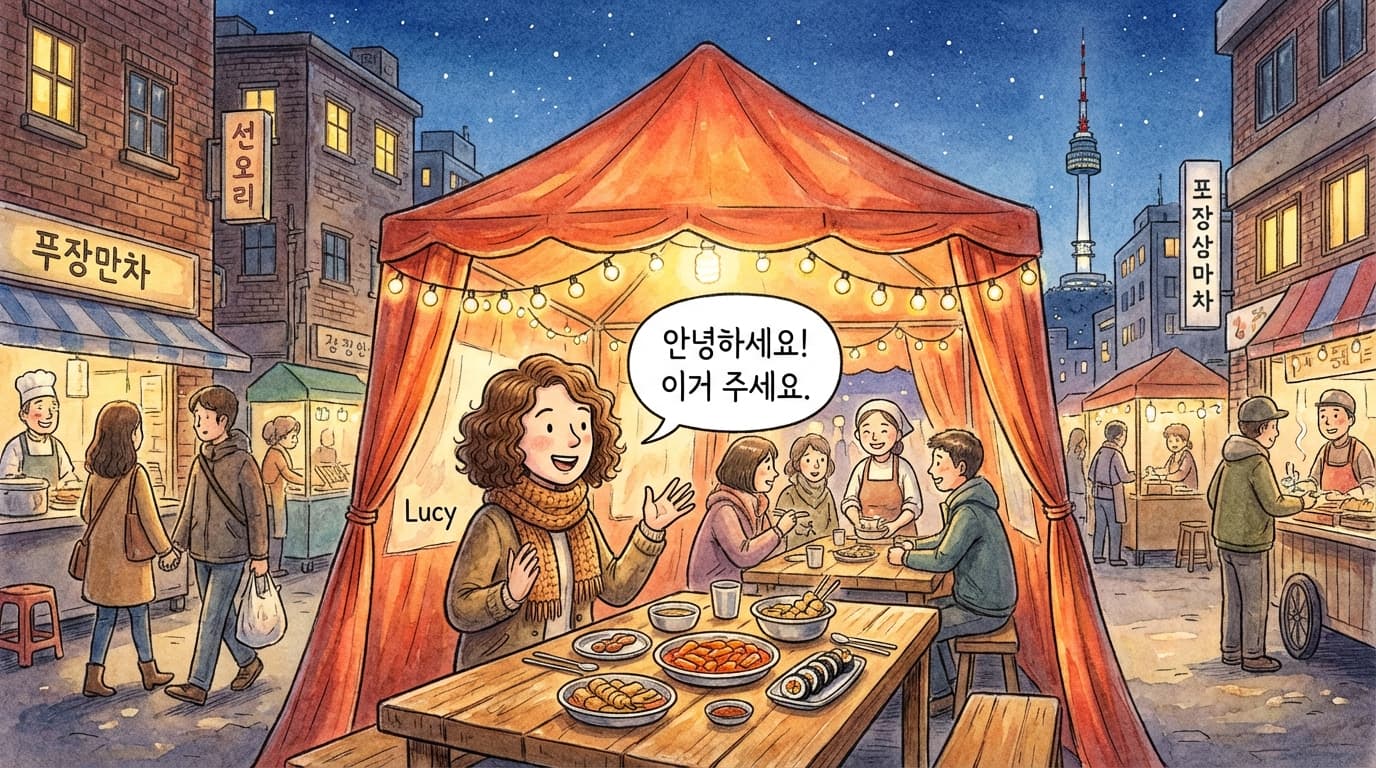
South Korea has exploded in global popularity thanks to K-pop, K-dramas, and Korean cuisine. Seoul is a modern, tech-forward city where many young people speak English, but Korean phrases dramatically enhance your experience — especially at traditional markets, neighbourhood restaurants, and anywhere outside the main tourist areas. The Korean Wave (Hallyu) has made Koreans accustomed to foreign interest in their culture, and they respond with genuine enthusiasm when visitors speak Korean.
Hangul: The World's Most Scientific Alphabet
Hangul was designed in 1443 by King Sejong specifically to be easy to learn. Letters are grouped into syllable blocks, consonants are shaped like the mouth position used to pronounce them, and the system is so logical that you can learn to read it in a few hours. This is genuinely worthwhile for Korean travel — being able to read restaurant names, metro stations, and street signs transforms your confidence and navigation ability.
Korean Food Culture
Korean dining is communal and generous. Side dishes (banchan) — kimchi, seasoned vegetables, tofu — arrive free with every meal and are refilled for free. Korean BBQ is the most famous experience: raw meat is grilled at your table and wrapped in lettuce leaves with garlic, ssamjang (spicy paste), and whatever banchan you like. Other essential dishes: bibimbap (mixed rice bowl), tteokbokki (spicy rice cakes), jjigae (stews), and kimbap (Korean rice rolls). Street food in Myeongdong and Gwangjang Market is outstanding.
Essential Phrases
| Phrase | English | Pronunciation |
|---|---|---|
| Annyeonghaseyo | Hello (polite) | ahn-nyung-hah-SAY-yoh |
| Gamsahamnida | Thank you (formal) | gahm-sah-HAHM-nee-dah |
| Annyeonghi gaseyo | Goodbye (to someone leaving) | ahn-nyung-hee gah-SAY-yoh |
| Ne / Aniyo | Yes / No | neh / ah-NEE-yoh |
| Joesonghamnida | I'm sorry (formal) | jweh-song-HAHM-nee-dah |
| Sillyehamnida | Excuse me | shil-yeh-HAHM-nee-dah |
| ...eodiyeyo? | Where is...? | uh-DEE-yeh-yoh |
| Eolmayeyo? | How much is it? | UHL-mah-yeh-yoh |
| Yeongeo hal su isseoyo? | Can you speak English? | YUNG-uh hahl soo ee-SSUH-yoh |
Dining & Restaurant Phrases
| Phrase | English | Pronunciation |
|---|---|---|
| Gyesaniyo | The bill, please | gyeh-SAHN-ee-yoh |
| Du myeongiyo | Two people | doo MYUNG-ee-yoh |
| Chucheonhae juseyo | Please recommend something | choo-chun-HAY joo-SAY-yoh |
| ...allereugi-ga isseoyo | I have a ... allergy | AHL-leh-roo-gee-gah ee-SSUH-yoh |
| Maekju hana juseyo | One beer, please | MAEK-joo HAH-nah joo-SAY-yoh |
| Masisseoyo! | It's delicious! | mah-shee-SSUH-yoh |
| Jal meokgesseumnida | I will eat well (said before eating) | jahl muk-geh-SSOOM-nee-dah |
Emergency Phrases
| Phrase | English | Pronunciation |
|---|---|---|
| Dowajuseyo! | Help me, please! | doh-WAH-joo-say-yoh |
| Uisa-ga piryohaeyo | I need a doctor | EE-sah-gah pee-ryoh-HAY-yoh |
| Gyeongchareul bulleo juseyo | Please call the police | gyung-CHAHL-ool bool-luh joo-SAY-yoh |
| Byeongwoni eodiyeyo? | Where is the hospital? | byung-WON-ee uh-DEE-yeh-yoh |
Cultural Notes
- •Korean age and social hierarchy are embedded in the language. Using formal/polite endings (-yo/-seumnida) with strangers and elders is essential. The phrases in this guide use polite forms appropriate for travelers.
- •When receiving or giving something to an elder or someone of higher status, use both hands or support your right arm with your left hand.
- •Korean BBQ etiquette: the youngest person at the table typically grills the meat and pours drinks for elders. As a guest/tourist, you won't be expected to know this, but awareness is appreciated.
- •Soju is Korea's national drink — a clear spirit typically 16-20% alcohol. It's cheap, ubiquitous, and stronger than it tastes. Pace yourself.