
Mediterranean · Spain
Barcelona Travel Guide
Last updated March 28, 2026
Barcelona offers cruise travellers an extraordinary mix of Gaudí architecture, vibrant food markets, stunning beaches, and a walkable Gothic Quarter — all within easy reach of the cruise terminal.
How Do You Get from the Cruise Port to the City?
Barcelona's cruise terminal (Moll Adossat) sits about 3km south of La Rambla. It's not walkable from the ship. Take the free shuttle bus to the World Trade Center at the port entrance, then it's a pleasant 15-minute walk along the waterfront to La Rambla and the Gothic Quarter.
Alternatively, grab the T3 port bus (€3, stops near Columbus monument) or a taxi (€10-12 to central Barcelona). The Metro is a short walk from the World Trade Center — take Line 3 (green) from Drassanes.
What Can You See in 6 Hours?
La Boqueria Market — Barcelona's legendary food market on La Rambla. Arrive before 11am to beat the crowds. Try fresh juice, jamón ibérico, and local cheeses.
Gothic Quarter (Barri Gòtic) — A maze of medieval streets, hidden squares, and the stunning Barcelona Cathedral. Get lost deliberately — that's how you find the best spots.
Sagrada Família — Gaudí's unfinished masterpiece. Even from outside it's breathtaking. Book tickets online weeks in advance if you want to go inside.
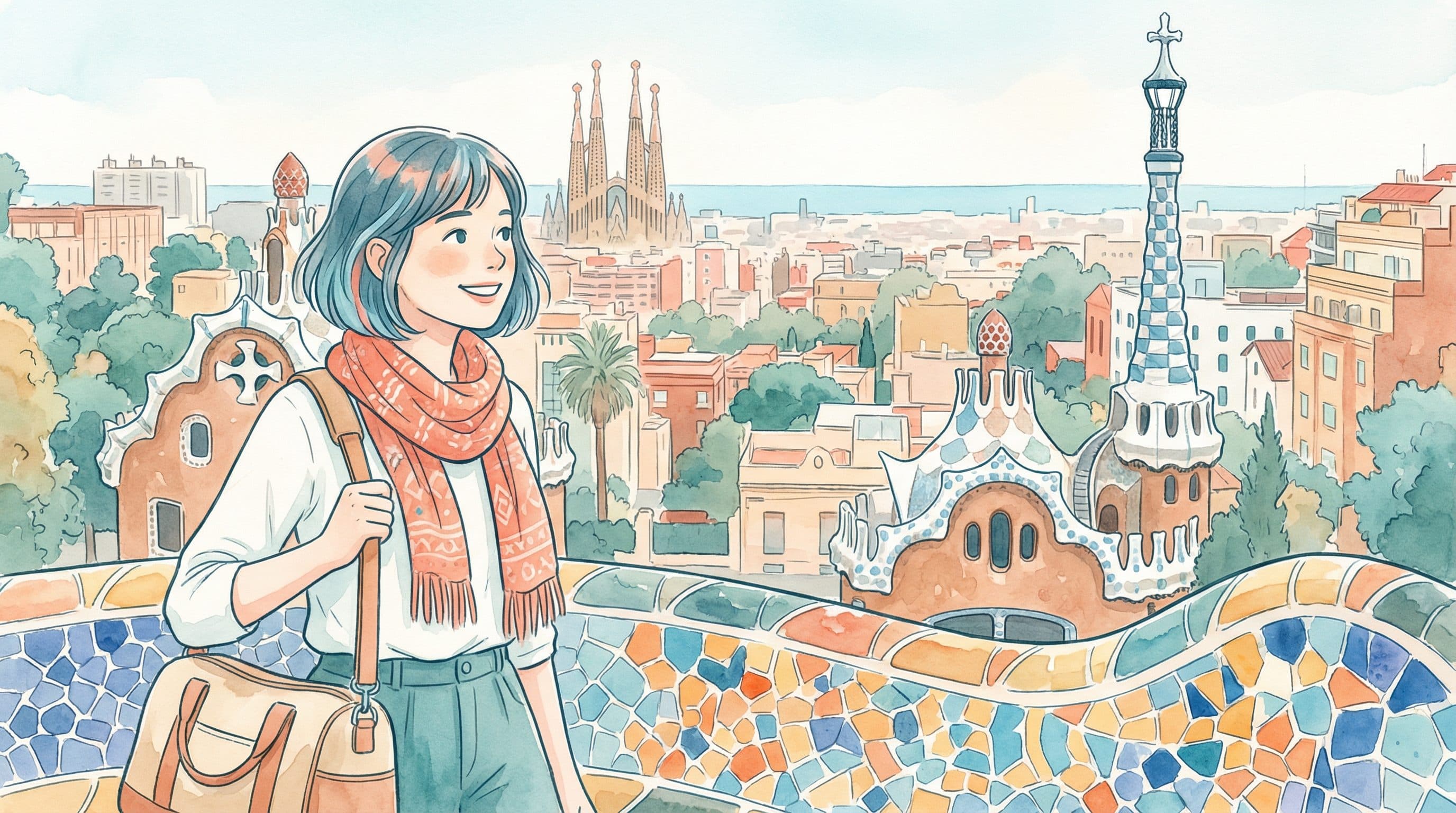
Park Güell — Gaudí's colourful hilltop park with panoramic city views. The monumental zone requires timed tickets (book ahead).
La Barceloneta — The old fishermen's quarter and beach. Perfect for a seafood lunch with your toes almost in the sand.
Where Should You Eat in Barcelona?
Tapas: Skip La Rambla entirely. Head to El Born neighbourhood for authentic tapas bars. Order patatas bravas (crispy potatoes in spicy sauce), pan con tomate (bread with tomato), jamón ibérico, and croquetas. Point at what others are eating if the menu is in Catalan.
La Boqueria Market: For a quick, extraordinary lunch, eat at the counter bars inside the market. Fresh seafood, grilled vegetables, and the best fruit smoothies you've ever tasted.
Paella: Barcelona does excellent rice dishes, but true paella is from Valencia. Look for "arroz" (rice) dishes on the menu instead. Fideuà — a noodle paella made with seafood — is the local speciality.
How Do You Read a Spanish Menu?
Many Barcelona restaurants have menus in Catalan, not Spanish — or both. Lucy handles both languages perfectly. Snap a photo and she'll translate everything, explaining regional dishes and flagging allergens. Catalan specialities like "escalivada" (roasted vegetables), "esqueixada" (salt cod salad), and "crema catalana" (the original crème brûlée) are worth seeking out.
Is Barcelona Worth Exploring Independently?
Absolutely. Ship excursions to Barcelona are among the most overpriced in the Mediterranean — £100+ per person for a bus tour you could walk yourself. The city is well-connected by Metro, the main sights are clustered in walkable areas, and the food scene rewards wandering. With Lucy on your phone and offline maps downloaded, you'll have a better day than any guided tour could offer.
Useful Local Phrases
Hola, buenos días
Hello, good morning
(OH-lah, BWAY-nos DEE-as)
La cuenta, por favor
The bill, please
(lah KWEN-tah, por fah-VOR)
¿Dónde está...?
Where is...?
(DON-day es-TAH)
¿Cuánto cuesta?
How much does it cost?
(KWAN-toh KWES-tah)
Soy alérgico/a a...
I am allergic to...
(soy ah-LAIR-hee-koh ah)
Gracias
Thank you
(GRAH-thee-as)
Local Tips
- •Avoid La Rambla restaurants — they're tourist traps. Walk one street either side (Carrer del Carme or Carrer Ferran) for better, cheaper food.
- •Tapas are eaten standing at the bar in traditional spots. Sitting at a table often costs more.
- •Pickpockets are extremely active on La Rambla, in the Metro, and around the Sagrada Família. Keep your phone in a zipped pocket.
- •Book Sagrada Família tickets online well in advance — you cannot buy them at the door.
- •Lunch is served from 1:30pm to 3:30pm. Many restaurants close between lunch and dinner (4pm-8pm).