
How to Travel with Food Allergies in Europe
The Lucy Team
We're the team behind Ask Lucy — travellers, food lovers, and language enthusiasts building an AI companion that helps you explore the world with confidence.
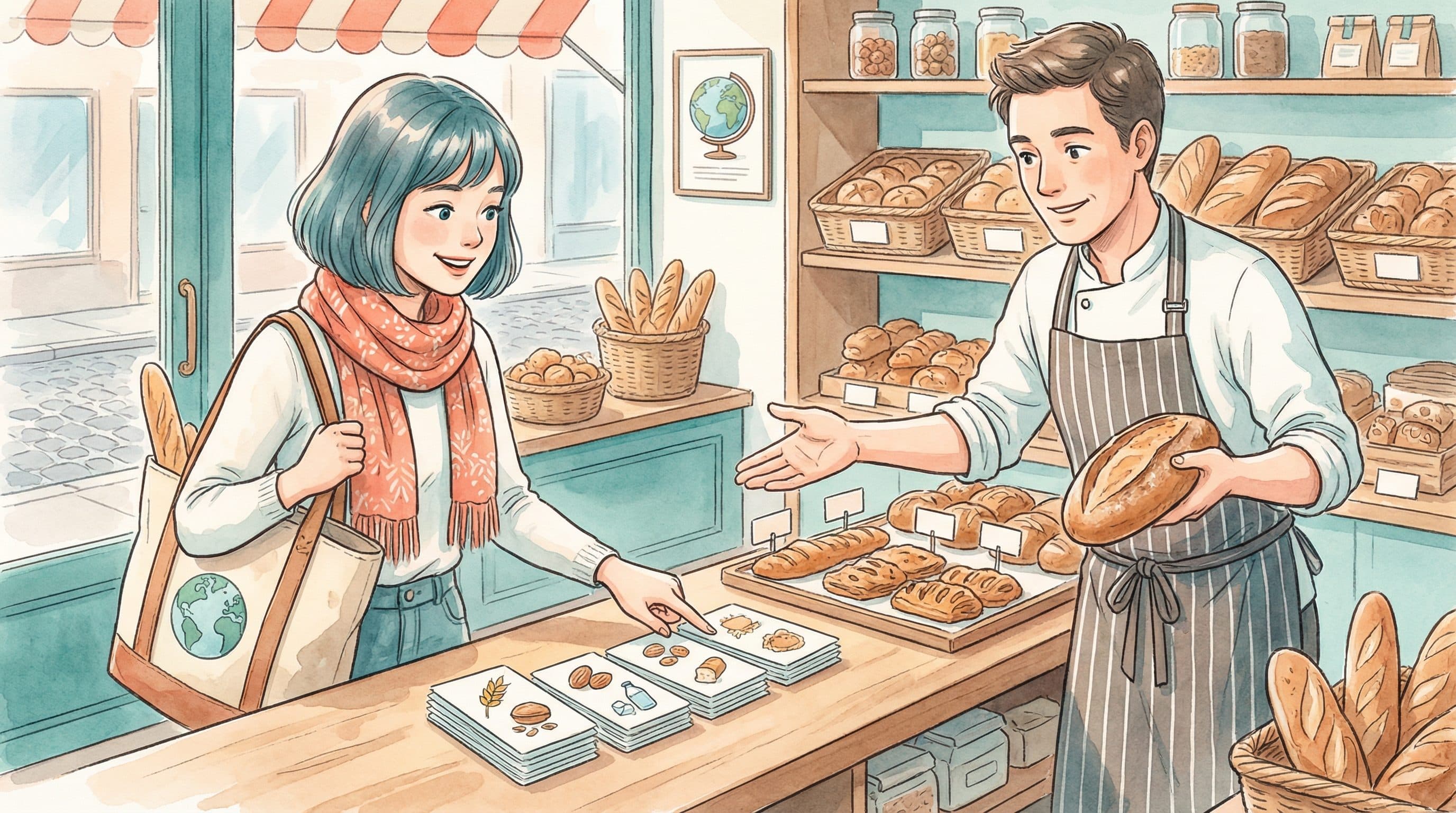
Good News: Europe Takes Food Allergies Seriously
EU food law (Regulation 1169/2011) requires all food businesses to declare the 14 major allergens. The 14 are: celery, cereals containing gluten, crustaceans, eggs, fish, lupin, milk, molluscs, mustard, nuts, peanuts, sesame, soybeans, and sulphur dioxide.
In practice, enforcement varies. But the legal framework means restaurant staff are generally trained to respond when you ask.
How Do You Communicate Your Allergies in European Restaurants?
Carry an allergy card in the local language. Lucy can help you create these on the spot for any language you'll encounter.
Speak to the waiter directly. Even if the menu lists allergens, always tell your server. Show your card and ask them to confirm with the kitchen.
Use a photo translation app. Photograph the menu with Lucy — she'll translate every dish and highlight allergen risks based on your profile.
Ask about preparation methods. Some dishes are cooked in shared oil or on shared surfaces. Your allergy card can include this question.
Country-by-Country Tips for Allergy Travelers
Italy: Very allergy-aware. Many restaurants have allergen matrices on menus. Watch for hidden wheat, dairy in everything, and nuts in pesto and desserts.
France: Staff are knowledgeable but may be less patient about modifications. Ask about butter, cream, nuts, and seafood in every dish.
Spain: Allergy awareness is growing. Tapas bars can be tricky — fried foods often share oil.
Greece: Very accommodating. Watch for sesame (bread, dips, pastries), nuts (desserts, salads), and feta in unexpected places.
Portugal: Excellent allergy awareness. Seafood is a staple — if you have a fish allergy, make it very clear.
What Should You Pack for Allergy Travel?
EpiPens or auto-injectors (carry two)
Antihistamines (tablets and liquid)
Allergy cards in every language you'll encounter
A letter from your doctor describing your allergy
Lucy on your phone — she remembers your allergies and flags risky dishes automatically
Safe snacks for emergencies
What to Do If Something Goes Wrong
Use your EpiPen immediately if you feel anaphylaxis symptoms.
Call 112 (works across all EU countries).
Tell someone nearby and show medical ID.
Go to the nearest hospital — emergency treatment is available under EHIC/GHIC.
Travel Confidently with Food Allergies in Europe
Food allergies shouldn't stop you from enjoying Europe's incredible cuisines. Strong allergy laws, growing awareness, and tools like Lucy make it safer than ever to dine abroad. With preparation, communication, and the right tools, every meal can be both safe and delicious.