
Traveling with a Nut Allergy in Southeast Asia
The Lucy Team
We're the team behind Ask Lucy — travellers, food lovers, and language enthusiasts building an AI companion that helps you explore the world with confidence.
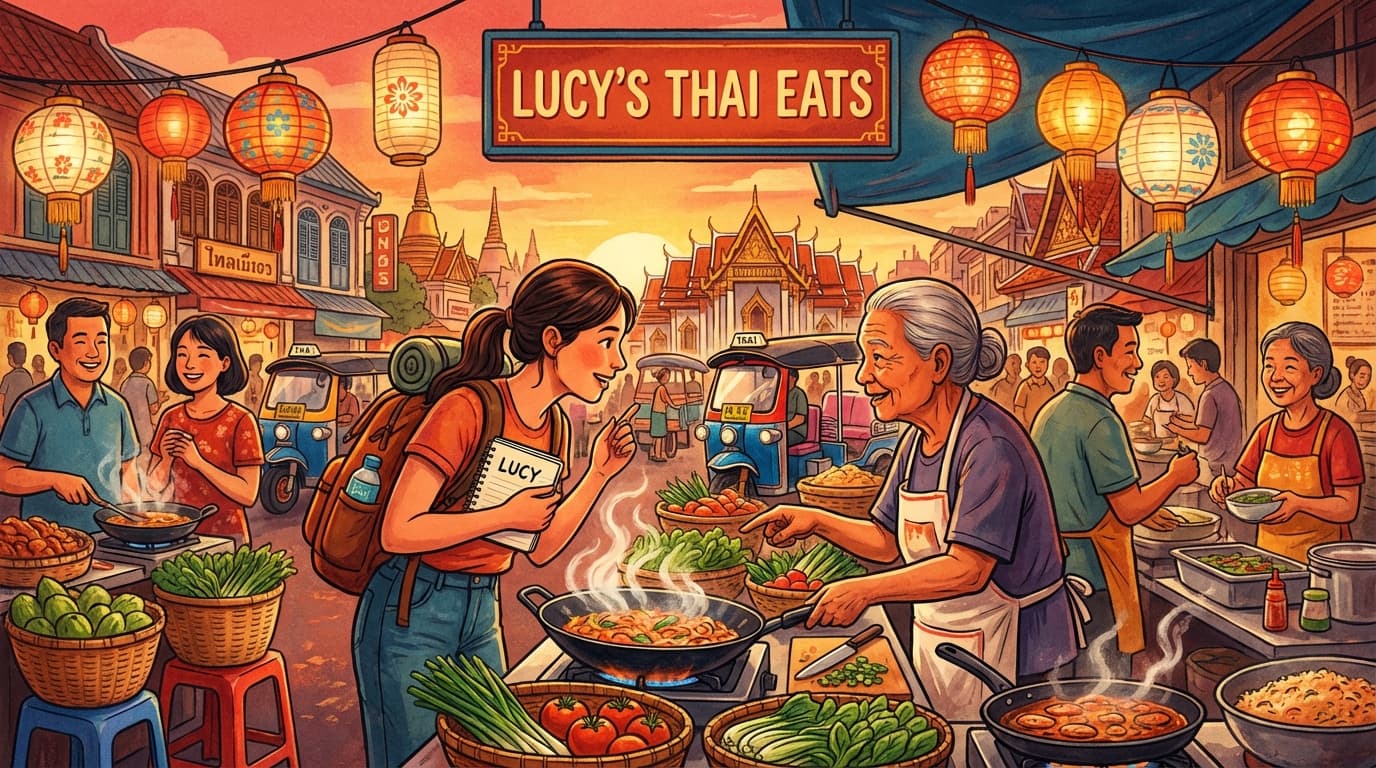
Why Southeast Asia Is High Risk for Nut Allergies
Peanuts and tree nuts are foundational ingredients across Southeast Asian cuisine. Peanut oil is a common cooking medium. Ground peanuts appear in sauces, salads, and garnishes. Coconut (technically a tree nut for some allergy sufferers) is in virtually every curry. The risk is real but manageable with preparation.
Country-by-Country Guide
Thailand: Peanuts are in pad thai, satay sauce, som tam, and many curry pastes. Cashews appear in stir-fries. Always say "mai sai thua lisong" (no peanuts). Carry a Thai-language allergy card.
Vietnam: Peanuts are common as garnishes on noodle dishes, spring rolls, and banh mi. Fish sauce is the bigger concern for most, but crushed peanuts appear unexpectedly.
Malaysia and Indonesia: Satay sauce is peanut-based. Gado-gado features peanut dressing. Many sambals contain ground peanuts. These cuisines require particular vigilance.
Strategies for Safe Eating
Carry laminated allergy cards in the local language of every country you visit.
Use Lucy to translate menus and flag nut-containing dishes automatically.
Eat at restaurants rather than street stalls — it is easier to communicate with restaurant kitchens.
Carry your EpiPen at all times and know the local emergency number.
Avoid buffets where cross-contamination is common.
Lucy Protects Nut-Allergy Travelers
Tell Lucy about your nut allergy once. Every menu you photograph will have nut-containing dishes flagged automatically. She knows that satay sauce is peanut-based, that many curries contain cashews, and where hidden nuts lurk in Southeast Asian cuisine.