
Body Language Mistakes Tourists Make in Japan
The Lucy Team
We're the team behind Ask Lucy — travellers, food lovers, and language enthusiasts building an AI companion that helps you explore the world with confidence.
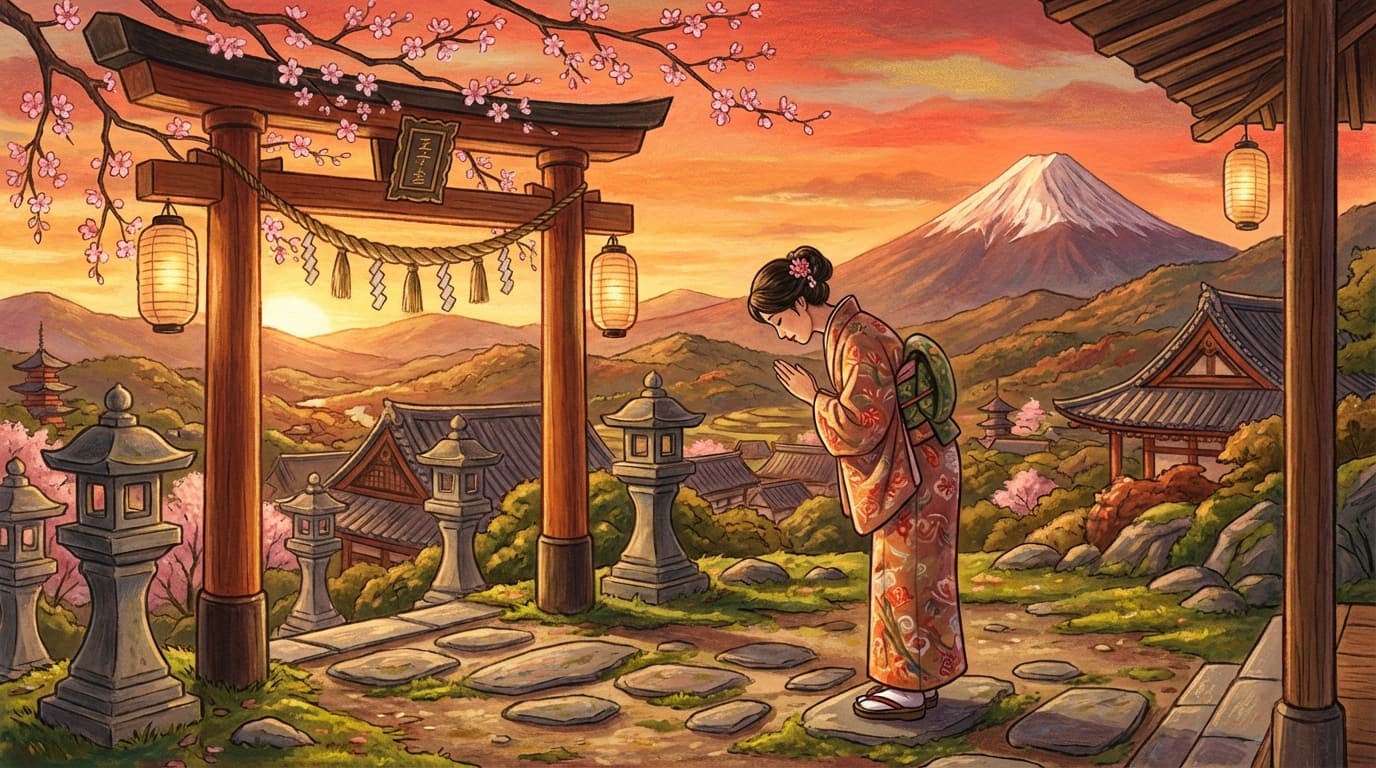
Why Body Language Matters in Japan
Japan is a culture of subtlety and indirect communication. What you do with your body speaks louder than your words. Small gestures that seem neutral or friendly in the West can be confusing or offensive in Japan. Understanding these differences makes your trip smoother and more respectful.
Mistakes to Avoid
Pointing with your finger. Japanese people gesture toward things with an open hand, palm up. Pointing with one finger is considered rude.
Blowing your nose in public. Sniffling is preferred over blowing your nose, especially at the table. If you must blow your nose, turn away and be discreet.
Hugging or touching. Physical contact between strangers is uncommon. A bow is the standard greeting, not a handshake or hug.
Talking loudly on trains. Japanese trains are remarkably quiet. Conversations are held in whispers. Phone calls are not made on trains.
Walking while eating. Eating on the move is considered messy and disrespectful. Eat at the stall or stand, or find a bench.
Bowing: The Basics
A slight bow (about 15 degrees) works for casual greetings. A deeper bow (30-45 degrees) shows greater respect. You do not need to bow perfectly — the effort is what matters. If someone bows to you, bow back to roughly the same depth.
How Lucy Helps with Cultural Navigation
Lucy provides cultural context alongside translations. When you photograph a sign at a temple, she does not just translate the words — she explains the etiquette expected inside. She is your cultural guide as well as your translator.